Save big on kitchen essentials!

Sweet Traditions: A Journey Through Famous International Desserts
Famous international desserts combine chocolate, sugar, and pastry into universally loved treats like tiramisu, baklava, and macarons, offering indulgent flavors and mood-boosting pleasure when enjoyed in moderation.
YumChefie
12/29/20255 min read
The Universal Language of Sweets
Desserts have long served as a bridge between cultures, uniting people through the shared love of sweet treats. Chocolate, sugar, and pastry are fundamental ingredients that have been embraced globally, transcending regional barriers and becoming iconic representations of culinary heritage across various societies. The rich history of these ingredients dates back centuries and is intertwined with exploration, colonization, and trade, which have facilitated the dissemination of dessert-making techniques and recipes.
Chocolate, originating from the cacao beans of Central America, has transformed into a staple in countless desserts, from the French mousse au chocolat to the Italian torta al cioccolato. As it spread internationally, cultures adopted and adapted chocolate to their gastronomic traditions, giving rise to innovative confections that reflect local tastes and customs. Similarly, sugar, once considered a luxury item, became widely available and enabled the creation of delicacies ranging from Persian baklava to Filipino leche flan.
Pâtisserie and baking have also evolved significantly across different cultures, with techniques and styles merging in delightful ways. Croissants, infused with buttery layers, have French origins but have found their way into various cuisines, resulting in uniquely flavored pastries, such as the Asian-inspired curry puff. Meanwhile, the adaptation of local ingredients has also paved the way for the creation of new dessert variations, showcasing innovation while honoring tradition.
The universal appeal of desserts not only highlights the adaptability of flavors and techniques but also emphasizes the importance of sweets in social and familial gatherings. From birthday cakes to wedding pastries, these confections often carry significant cultural meaning and are essential in celebratory events. Therefore, it is evident that desserts embody a universal language of sweetness, connecting diverse peoples through shared experiences and the joy of indulgence.
Celebrations and Sweet Moments
Throughout history and across cultures, desserts have held a pivotal role in celebrations, marking significant moments with sweetness and joy. From weddings to birthdays, religious holidays to national festivities, the incorporation of sweet treats signifies togetherness and shared happiness. Whether it is the elaborately decorated wedding cake at a couple's union or the vibrant piñata filled with candies at a child's birthday party, desserts have a special place in the tapestry of human experiences.
During festivals like Diwali or Christmas, traditional sweets take center stage, fostering a sense of community as families and friends gather to indulge in these delectable offerings. These desserts not only provide a culinary delight but also help in creating lasting memories. The communal aspect of sharing desserts during celebrations strengthens bonds among individuals, serving as a reminder of togetherness and love.
The psychological impact of sweets on mood and comfort cannot be understated. The mere act of enjoying a dessert often evokes feelings of nostalgia, transporting individuals back to cherished moments from their past. This interplay between taste and emotion is profound; studies have indicated that consuming sweets can enhance one's mood and promote feelings of happiness. The textures and flavors found in desserts create a multi-sensory experience that significantly elevates emotional well-being.
With the potential to foster connections and evoke positive memories, desserts indeed serve as a catalyst for celebration. As we gather around tables adorned with sweets, we partake in more than just food; we embrace moments of joy, create traditions, and build community. These shared sweet moments highlight the importance of desserts in our lives, transcending cultural barriers and uniting people in festive spirit.
Iconic Desserts Around the Globe
Across the globe, desserts not only satisfy the sweet tooth but also tell a story of the culture and traditions from which they originate. Each dessert carries its unique characteristics, rooted deeply in the culinary practices of distinct regions.
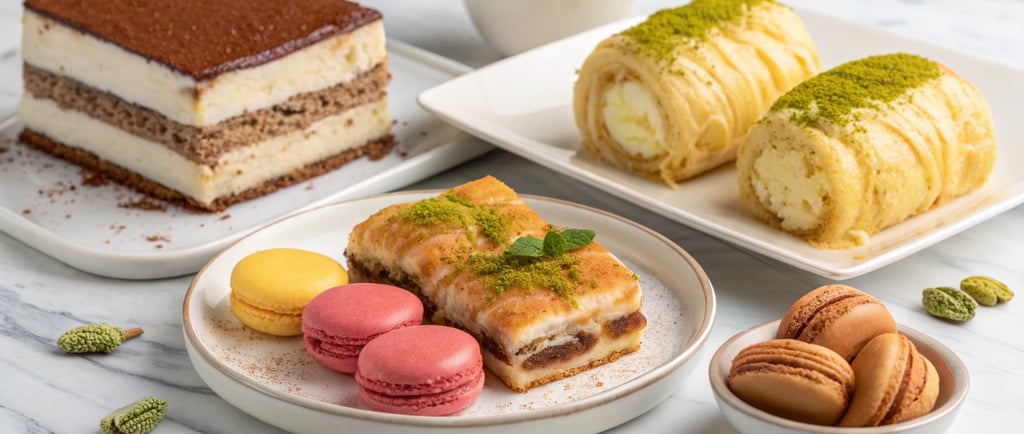
One of the most renowned desserts hailing from Italy is the tiramisu. This delightful concoction layers espresso-soaked ladyfingers with a rich mixture of mascarpone cheese, eggs, and sugar, dusted with cocoa powder for a subtle bitterness. The interplay of textures—soft, creamy, and slightly spongy—along with the harmonious flavors of coffee and chocolate make tiramisu a beloved end to any Italian meal. The origin of this dessert is often debated, with claims to its creation dating back to the 1960s in Treviso, which speaks to its relatively modern yet impactful presence in culinary history.
In the Middle East, baklava stands as a symbol of delight. This rich, sweet pastry is made from layers of filo dough filled with chopped nuts, typically walnuts or pistachios, sweetened and held together with honey or syrup. Each bite offers a crunchy and flaky texture, offset by the syrupy sweetness, which together forms an irresistible treat. Baklava is often prepared during celebrations and holidays, showcasing its significance in cultural festivities across regions, including Turkey, Greece, and many Arab countries.
France contributes to the world of desserts with the elegant macaron, a delicate meringue-based confection made from egg whites, icing sugar, granulated sugar, almond meal, and food coloring. The macaron features a smooth, chewy texture with a crisp shell, filled with a variety of ganaches, buttercreams, or jams. Its vibrant colors and sophisticated combinations of flavors—from classic vanilla to innovative lavender—reflect the artistry and finesse that French cuisine is known for.
The unique textures and flavors of these desserts provide just a glimpse into the rich tapestry of global culinary traditions. Celebrated for their craftsmanship and taste, they continue to capture hearts around the world and serve as a testament to the artistry of dessert-making in diverse cultures.
The Sweet Side of Moderation
While international desserts offer a variety of flavors and textures, they often come with a common characteristic—high sugar content. Excessive consumption of sugar can lead to numerous health issues, including obesity, diabetes, and heart disease. This makes it essential for dessert lovers to approach these sumptuous treats with caution and moderation.
To fully appreciate these delightful confections while minimizing potential health risks, it is crucial to develop a balanced mindset focused on mindful indulgence. One practical strategy is to savor smaller portions of desserts. Instead of devouring a larger slice of cake or a giant bowl of ice cream, consider enjoying just a few bites. This approach allows you to relish the flavor without overwhelming your daily sugar intake.
Additionally, you can experiment with healthier alternatives to traditional dessert ingredients. For instance, try using natural sweeteners such as honey or maple syrup, which can offer a different taste profile with potentially lower glycemic impacts than refined sugar. Incorporating fruits into desserts can also enhance flavor while providing essential nutrients and fiber, making the experience more satisfying without excessive sugar.
Another excellent practice is to immerse yourself in the cultural aspects of desserts. Understanding the traditions behind each delicacy can deepen your appreciation and encourage you to regard desserts as a special treat rather than an everyday indulgence. This cultural perspective can remind you that moderation doesn't mean forgoing dessert altogether; it instead emphasizes the idea of enjoying these culinary masterpieces on special occasions.
By adopting these mindful eating strategies, individuals can enjoy international desserts while maintaining a healthier lifestyle. This balanced approach will enable dessert enthusiasts to explore the world of sweets responsibly, appreciating their deliciousness without compromising their well-being.
YumChefie
Your intelligent kitchen companion. We use advanced AI to help you reduce food waste, discover new flavors, and cook with confidence.
Contact
Subscribe
Copyright © 2026 - YumChefie