Save big on kitchen essentials!

Modern Café Menu Display
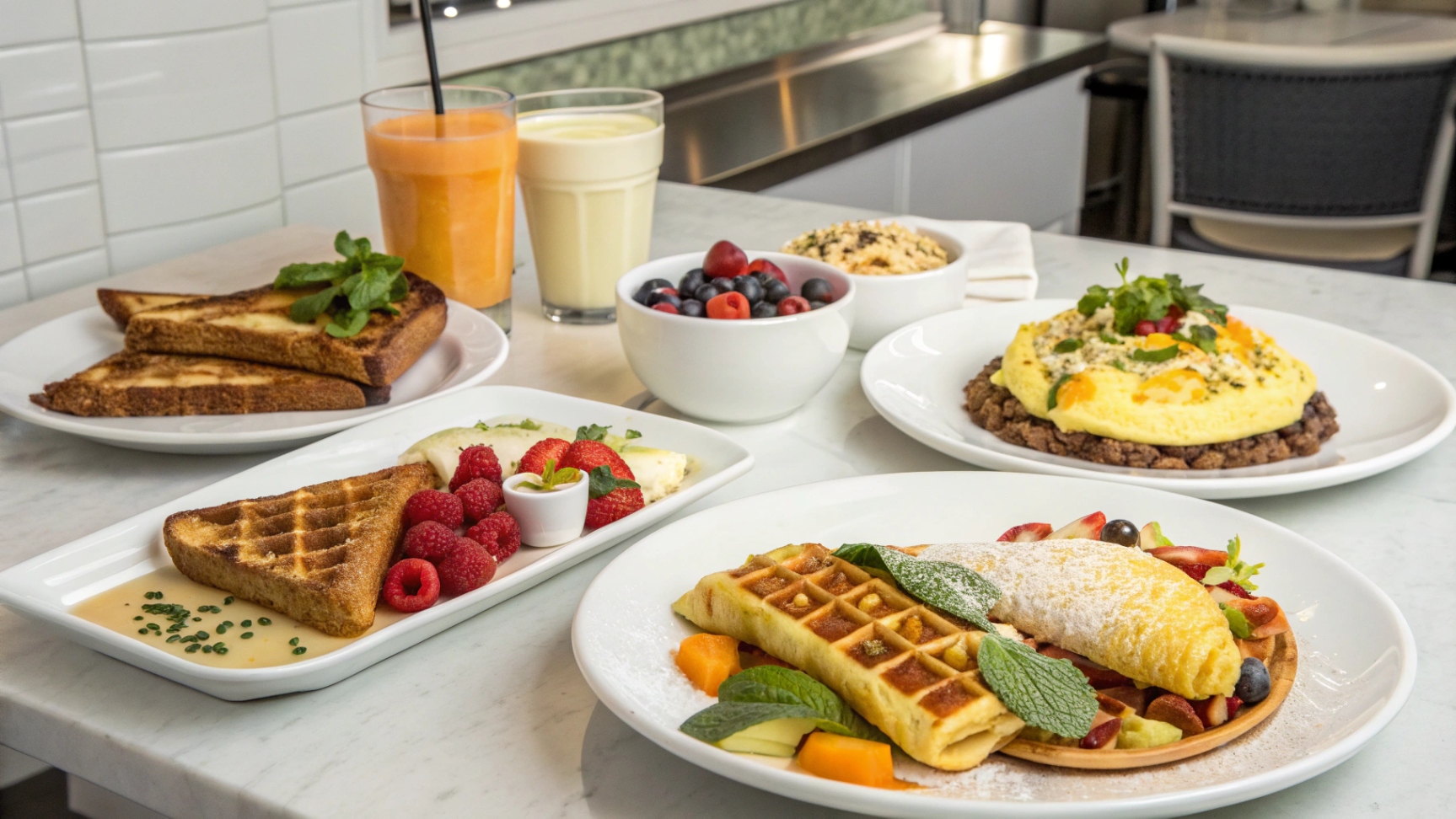
Modern Café Menu Display: A Contemporary Celebration of Breakfast Culture
In today’s visually driven world, the Modern Café Menu Display has become more than just a list of dishes—it is a storytelling tool, a branding element, and an artistic representation of a café’s culinary identity. Whether showcased on digital screens, printed boards, or featured in social media posts, the modern café-style breakfast menu has evolved into a signature aesthetic that blends classic morning meals with contemporary design trends. Behind this stylish presentation lies a rich history shaped by global food culture, café traditions, and shifting consumer expectations.
Origins of the Café Menu Culture
The roots of the café menu display go back to 17th-century European coffeehouses, particularly in France, Austria, and Britain. These early cafés were bustling social spaces where intellectuals, merchants, and artists gathered to exchange ideas. Food offerings were simple—bread, pastries, and hot beverages—but displayed in a structured manner to help customers make quick choices.
The modern café menu style as we know it began to emerge in the early 20th century with the rise of diners, bakeries, and coffee shops in the United States. These establishments introduced breakfast combos, handwritten chalkboard menus, and printed displays featuring classic morning dishes such as waffles, omelettes, or toast. As cafés grew in popularity worldwide, the menu evolved from a functional list into an essential branding tool.
By the late 1990s and early 2000s, global café chains and boutique coffee shops revitalized menu design, favoring clean lines, minimalistic fonts, and beautifully plated dishes—often part of the “modern café aesthetic” we see today. This trend eventually merged with digital photography and social media culture, leading to the now-iconic Modern Café Menu Display, where food is not only meant to be eaten but admired as an art form.
Key Components of a Modern Café Menu Display
The Modern Café Menu Display featured in visual content often includes a curated set of popular breakfast dishes arranged in an appealing, restaurant-style manner. Here are the typical elements that appear in such displays:
1. French Toast – Crispy Edges, Soft Center
French toast has ancient roots going back to Roman times, but the version we know today is heavily influenced by French culinary techniques. Made by soaking bread in milk and eggs before pan-frying, this dish offers a blend of sweetness and comfort. In café displays, French toast is often topped with powdered sugar, fruits, or syrup for added visual appeal.
2. Breakfast Burrito – Savory and Filling
Originating in the American Southwest and heavily inspired by Mexican cuisine, the breakfast burrito has become a global café staple. Filled with scrambled eggs, cheese, vegetables, and sometimes sausage or beans, it provides a hearty option for customers seeking a portable, protein-rich meal.
3. Smoothie Bowl – Colorful and Nutritious
Smoothie bowls reflect modern health culture and can be traced to Brazilian açaí bowls and Californian wellness trends. They are typically made with blended fruit bases and topped with nuts, seeds, and fresh produce. Their vibrant colors and layered textures make them visually perfect for modern café menus.
4. Belgian Waffle – Crispy and Airy
With origins in Belgium’s medieval waffle-making traditions, Belgian waffles are known for their deep pockets and airy texture. Served with berries, chocolate, or whipped cream, they offer both indulgence and beauty, making them a highlight of café displays.
5. Veggie Omelette – Protein-Packed & Wholesome
Omelettes have been part of French cuisine since the 16th century. The modern veggie omelette—filled with bell peppers, spinach, mushrooms, and cheese—represents a healthier twist that aligns with contemporary dietary trends. It adds vibrant colors and savory balance to the overall menu presentation.
The Aesthetic and Culinary Influence
Modern café menu displays emphasize three core principles:
Clean composition: Minimal clutter, balanced spacing, and clear labeling.
Color harmony: Using natural tones from fruits, vegetables, and garnishes to create visual unity.
Ingredient transparency: Showing fresh, high-quality ingredients to build trust and appetite appeal.
This style is highly influenced by Scandinavian minimalism, Japanese presentation principles, and Western café branding. Together, they create a globally recognizable aesthetic that signals quality, comfort, and modernity.
Why the Modern Café Menu Display Continues to Grow
In the age of social media, diners want food that tastes good and looks good. The rise of food photography, menu boards, and digital displays has transformed the way cafés present their offerings. Customers now expect menus that are:
Clear and intuitive
Visually captivating
Reflective of fresh, diverse ingredients
Aligned with current wellness and lifestyle trends
Because of this, cafés around the world adopt the modern café-style display to attract customers with an inviting, professional visual identity.
Your intelligent kitchen companion. We use advanced AI to help you reduce food waste, discover new flavors, and cook with confidence.
Contact
Subscribe
Copyright © 2026 - YumChefie