Save big on kitchen essentials!

Vegetarian and Vegan Cuisine: A Journey Through Plant-Based Eating
Vegetarian and vegan cuisine focuses on vegetables, legumes, and grains, offering an environmentally friendly way of eating that supports health and helps reduce chronic diseases when planned with proper nutritional awareness.
YumChefie
12/23/20254 min read
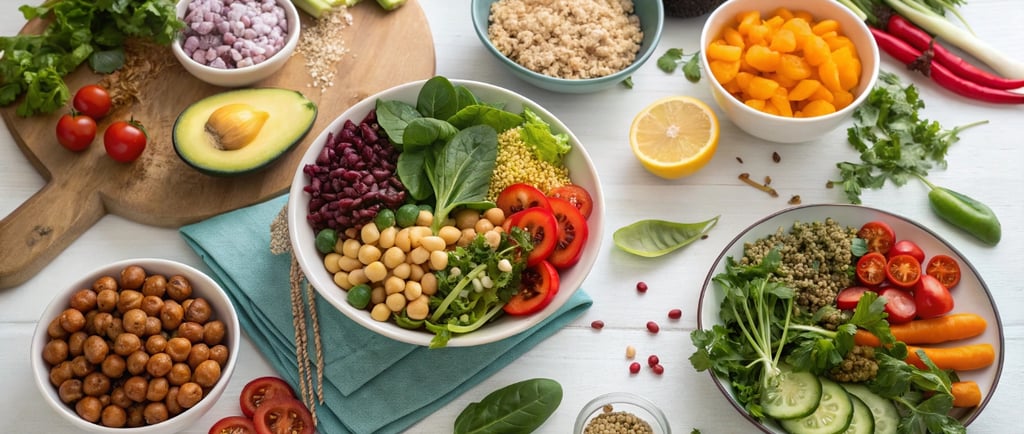

Foundations of Vegetarian and Vegan Cuisine
Vegetarian and vegan cuisine represents a vibrant tapestry of flavors, textures, and cultural traditions, largely shaped by the foundation of key ingredients. At the core of these diets are vegetables, legumes, and whole grains, which not only serve as the primary food sources but also as the building blocks for a myriad of dishes globally. Fresh produce, such as leafy greens, root vegetables, and seasonal fruits, forms the basis of numerous recipes, highlighting the importance of seasonality and locality in plant-based cooking.
Legumes, such as lentils, chickpeas, and various beans, are particularly significant in vegetarian and vegan diets, providing essential proteins, fiber, and nutrients. They are incredibly versatile and can be utilized in soups, stews, salads, and even as meat substitutes in dishes like veggie burgers or tacos. In many cultures, legumes are integral in creating hearty and filling meals that are satisfying and nutritious.
Whole grains, including brown rice, quinoa, barley, and farro, contribute not only to the nutritional profile but also to the texture and flavor of vegetarian and vegan dishes. They serve as a staple base in numerous cuisines, from Asian stir-fries to Mediterranean grain salads. The combination of grains with vegetables and legumes enhances the dish's flavor while providing a complete amino acid profile important for health.
The diversity of vegetarian and vegan cooking styles allows for an array of rich and robust flavors. Cuisines from different cultures offer unique approaches, such as the spicy curries of Indian cuisine or the fresh, vibrant salads of Mediterranean diets, showcasing how plant-based ingredients can be creatively adapted to reflect regional tastes. This culinary journey through vegetarian and vegan cuisine not only nourishes the body but also fosters a deeper appreciation for the planet’s agricultural resources.
Environmental Impact and Sustainability
Adopting a vegetarian or vegan diet plays a crucial role in promoting environmental sustainability and mitigating the adverse effects of climate change. One of the most significant benefits of plant-based eating is the reduction of carbon footprints associated with food production. Livestock agriculture is responsible for a large part of greenhouse gas emissions, primarily methane and nitrous oxide, which are emitted during the digestion processes of animals and their waste management. In contrast, plant agriculture generally has a lower carbon footprint, as it uses fewer resources and generates minimal emissions in comparison.
In addition to greenhouse gas emissions, the resource use for producing animal-based foods is markedly higher than that for plant-based foods. For instance, raising livestock requires substantial water, land, and feed resources. Reports indicate that it takes approximately 1,800 gallons of water to produce just one pound of beef, while producing plant-based foods usually utilizes a fraction of that amount. This discrepancy highlights the inefficiency of animal agriculture, underlining the importance of a plant-based approach for conservation of essential resources.
The waste generated by animal agriculture exacerbates environmental degradation, contributing to air and water pollution. Manure from livestock can contaminate water bodies, while direct land use for grazing leads to deforestation and habitat destruction. In contrast, plant-based diets foster more sustainable agricultural practices, including crop rotation and reduced pesticide use, which benefit biodiversity and soil health.
In conclusion, transitioning to vegetarian and vegan diets is not only a personal health choice but also a critical step toward environmental responsibility. By embracing plant-based eating, individuals contribute positively to lowering carbon footprints, conserving natural resources, and fostering sustainable agricultural practices that protect our planet for future generations.
Health Benefits of a Plant-Based Diet
A plant-based diet, encompassing both vegetarian and vegan eating patterns, has gained significant attention in recent years for its numerous health benefits. Research indicates that individuals embracing this dietary approach often experience reduced risks of various chronic diseases, including heart disease, type 2 diabetes, and certain forms of cancer. The emphasis on fruits, vegetables, whole grains, nuts, and legumes fosters a rich intake of essential nutrients, dietary fiber, and antioxidants, which play a pivotal role in enhancing overall health.
Numerous studies have highlighted the cardiovascular advantages associated with plant-based diets. For example, a comprehensive analysis published in a renowned cardiology journal found that individuals adhering to vegetarian or vegan diets exhibit lower blood pressure levels and reduced cholesterol profiles, both of which are critical indicators of heart health. The presence of healthy fats from plant sources, such as avocados and nuts, combined with the absence of saturated fats typically found in animal products, contributes to these protective effects.
Moreover, the anti-inflammatory properties attributed to a diet rich in plant foods can aid in mitigating the risk of chronic conditions such as arthritis and even certain cancers. By emphasizing whole, minimally processed foods, vegetarians and vegans consume significantly higher amounts of phytonutrients, which are known for their immune-boosting and disease-fighting properties. Specifically, diets high in fruits and vegetables can lower the incidence of colorectal cancer and other types of malignancies, according to findings from the World Health Organization.
In addition to these disease-preventive benefits, adopting a plant-based diet can also result in improved weight management. Many individuals find that their overall caloric intake decreases naturally when they focus on nutrient-dense, lower-calorie foods like vegetables and whole grains, promoting a healthier body weight and composition.
Nutritional Awareness and Balanced Choices
Navigating a vegetarian or vegan lifestyle requires a firm understanding of nutritional needs to maintain overall health and wellbeing. One of the critical elements of successfully adopting a plant-based diet is ensuring that meals are well-planned and nutritionally balanced. This approach can help avert potential deficiencies that may arise from limiting particular food groups.
Common nutrients that may become less accessible in vegetarian and vegan diets include protein, iron, vitamin B12, and omega-3 fatty acids. For instance, while protein is abundant in many plant foods, such as legumes and whole grains, it is vital to consume a variety of these sources to ensure an adequate amino acid profile. Additionally, iron from plant sources is less bioavailable than that from animal products; therefore, pairing iron-rich foods with vitamin C can enhance absorption.
Vitamin B12 is another nutrient that poses a challenge, as it is primarily found in animal products. Vegans should consider fortified foods or supplements to achieve their B12 requirement, as deficiency can lead to severe neurological and cognitive disorders. Similarly, omega-3 fatty acids, particularly EPA and DHA, are less abundant in plant diets, necessitating the inclusion of sources such as flaxseeds, chia seeds, or algae-based supplements.
To foster balanced nutrition within vegetarian and vegan diets, it is crucial to educate oneself about food sources and their nutritional content. Resources like nutritional guides and food databases can provide valuable insights. Additionally, incorporating diverse foods, including fruits, vegetables, nuts, seeds, legumes, and whole grains, can help to cover the spectrum of essential nutrients.
As individuals transition to vegetarianism or veganism, the awareness of nutritional needs combined with informed food choices will play an instrumental role in promoting health and wellness throughout the journey.
YumChefie
Your intelligent kitchen companion. We use advanced AI to help you reduce food waste, discover new flavors, and cook with confidence.
Contact
Subscribe
Copyright © 2026 - YumChefie