Save big on kitchen essentials!

From Farm to Feast: The Historical Evolution and Wellness Value of French Country Cooking
Discover the charm of French country cooking, where rustic traditions, fresh ingredients, and timeless techniques create nourishing, comforting meals rooted in history and wellness.
YumChefie
12/14/20255 min read
The Origins of French Country Cuisine
French country cuisine, known for its rustic simplicity and rich flavors, has its roots deeply embedded in the agricultural practices and peasant traditions of rural France. Historically, the cuisine developed in regions characterized by varied geography and climates, which played a crucial role in determining the types of ingredients available for cooking. The shifting landscapes, from the rolling hills of Provence to the coastal areas of Brittany, influenced not just the palate but also the preparation methods native to each locale.
During the Middle Ages, the notion of "cuisine de paysan" or peasant cooking emerged as a reflection of the local way of life, where communities relied heavily on the produce of their surroundings. Staple ingredients such as grains, vegetables, legumes, and locally sourced meats became the foundation of what we now recognize as French country cuisine. These ingredients were often preserved and prepared in ways that showcased their natural flavors, utilizing techniques passed down through generations.
Moreover, the agrarian lifestyle dictated a seasonal approach to cooking, embracing the fruits of the harvest and minimizing waste. This connection to the land nurtured a culinary ethos centered around simplicity, freshness, and respect for quality ingredients, which remains a hallmark of French country cooking today. As communities adapted their recipes based on the availability of local produce, the cuisine became a vibrant tapestry that tells the story of French rural life, shaped by traditions that honored the labor of farmers and the bountiful earth.
The rich history of French country cuisine not only reflects the agricultural methods of the past but also embodies the values of sustainability and resourcefulness, traits that are increasingly important in our modern culinary landscape. By appreciating its origins, we can better understand the importance of local sourcing and the celebration of seasonal ingredients in contemporary cooking.
Seasonal Farming Traditions and Cooking Methods
French country cooking is deeply intertwined with seasonal farming traditions, reflecting the natural cycles of the land and the agricultural practices that have evolved over centuries. The emphasis on using fresh, locally sourced ingredients is paramount, as it not only enhances the taste of dishes but also supports local economies and sustainable farming practices. Chefs and home cooks alike celebrate the bounty of each season, with menus that change according to the availability of ingredients, thus showcasing the flavors that nature provides at different times of the year.
During spring, for instance, the emergence of tender vegetables like asparagus and peas heralds a shift in culinary focus, inviting vibrant salads and light dishes that celebrate the season’s freshness. In summer, the abundance of fruits and vegetables cultivates a vibrant culinary palette, where tomatoes, zucchini, and berries take center stage. Autumn brings hearty root vegetables and wild game, perfect for rustic stews and comforting dishes. Winter, with its cold temperatures, offers a chance for preservation techniques such as pickling and fermenting, allowing cooks to capture the essence of the harvest for future consumption.
Traditional cooking methods play a significant role in French country cuisine, emphasizing simplicity and respect for the natural flavors of ingredients. Techniques such as slow cooking allow for the gradual melding of flavors, enhancing both the taste and nutritional value of the meals. Preserving is another time-honored method, with foods meticulously stored in jars or barrels, which not only extends shelf life but also enriches the foods’ flavors through fermentation. This respectful treatment of ingredients promotes a deeper appreciation for the food and an understanding of its origins, making the journey from farm to feast not just a culinary experience, but a connection to the land itself.
Essential Ingredients and Culinary Tools
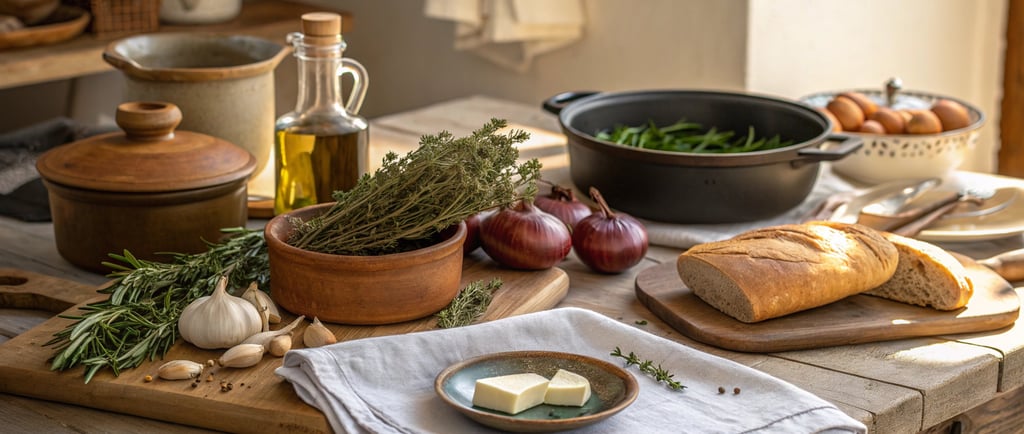
French country cooking, known for its emphasis on fresh, wholesome ingredients, embodies a culinary tradition that is deeply rooted in the land. The staple ingredients found in this cuisine play a crucial role in defining its unique character. Fresh herbs such as thyme, rosemary, and parsley are essential, imparting aromatic flavors that enhance various dishes. Furthermore, locally sourced vegetables such as carrots, leeks, and potatoes serve as the foundation for numerous recipes, providing both nutrition and flavor. Seasonal fruits also find their way into many dishes, from savory tarts to fruity compotes, underscoring the importance of utilizing what the land offers at different times of the year.
In terms of proteins, meats such as duck, chicken, and pork are prominent in French country kitchens. These meats are often sourced from local farms, highlighting the long-standing tradition of sustainable and ethical farming practices in rural France. Techniques such as slow braising or confit are popular, emphasizing the flavor profile that comes from these high-quality ingredients. Artisanal products like cheeses and cured meats are also central to the culinary experience, offering distinct varieties that celebrate regional diversity.
Equally significant are the culinary tools traditionally used in French country cooking. Cast-iron pots and Dutch ovens are prized for their durability and ability to retain heat, making them ideal for slow-cooked stews and casseroles. Wooden utensils, cherished for their simplicity and functionality, allow for gentle mixing without damaging cookware or ingredients. Additionally, a mortar and pestle facilitates the preparation of fresh pastes and blends of herbs, enhancing the flavors in various dishes. Each of these tools fosters a deeper connection to the cooking process, allowing chefs to create meals steeped in tradition and love for the land.
Health Benefits and Influence on Modern Cuisine
French country cooking, rooted in the principles of simplicity and seasonal ingredients, offers numerous health benefits. This culinary tradition emphasizes the use of whole, unprocessed foods, which are known to contribute to balanced nutrition. By focusing on fresh vegetables, legumes, grains, and lean proteins, French country cuisine encourages a diet rich in essential nutrients, vitamins, and minerals. Such a diet not only supports physical well-being but also promotes a mindful approach to eating, allowing individuals to cultivate awareness of their food choices and serving sizes.
The emphasis on seasonal eating within French cooking revitalizes the connection between food and nature. By consuming ingredients that are in season, individuals not only enjoy enhanced flavors but also benefit from the peak nutritional value of these foods. Seasonal eating encourages a varied diet throughout the year, preventing monotony in food choices and fostering a greater appreciation for local produce. This practice can lead to improved digestive health, as diverse ingredients can promote a balanced gut microbiome.
Moreover, the influence of French country cooking is evident in the modern farm-to-table movement. Many contemporary chefs are drawing inspiration from this culinary heritage, prioritizing local, fresh ingredients similar to those found in traditional French recipes. Esteemed restaurants around the world are adopting these practices, creating menus that reflect a commitment to quality and sustainability. By highlighting the importance of seasonality and locality, these establishments not only honor the roots of French cuisine but also encourage a shift towards healthier dining choices in today’s culinary landscape.
In conclusion, the health benefits and practices of French country cooking resonate strongly with modern food movements. By promoting unprocessed ingredients and a mindful eating philosophy, this traditional cuisine remains relevant, offering valuable lessons for contemporary cooking and well-being.
YumChefie
Your intelligent kitchen companion. We use advanced AI to help you reduce food waste, discover new flavors, and cook with confidence.
Contact
Subscribe
Copyright © 2026 - YumChefie