Save big on kitchen essentials!

The Minimal White Background: A Modern Food Aesthetic
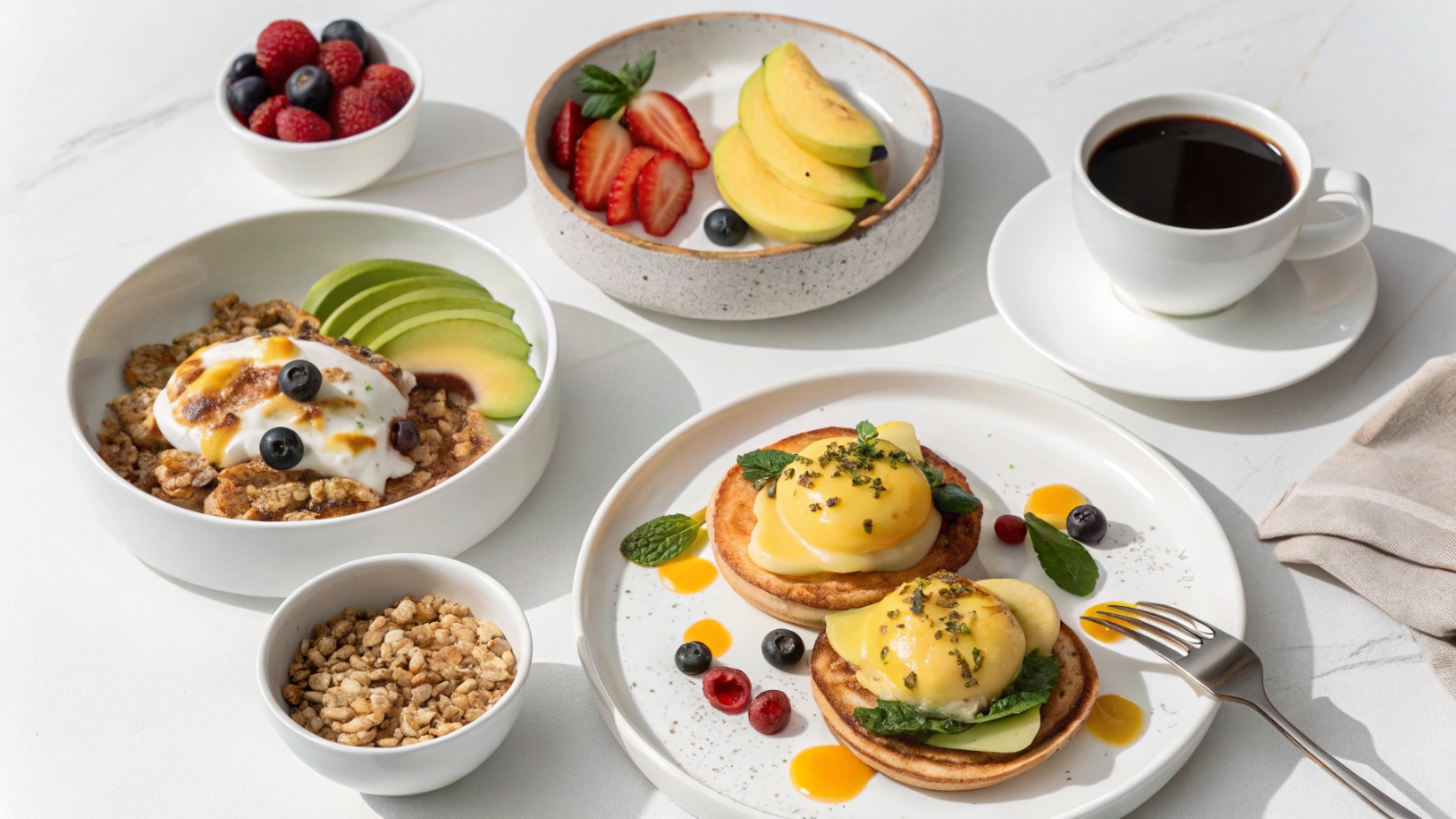
A look at how the Minimal White Background style transforms simple breakfast dishes into modern culinary art through clean design, bright lighting, and elegant simplicity.
YumChefie
12/7/20254 min read
Origins of the Minimal White Background Aesthetic
The minimal white background aesthetic has its roots deeply embedded in the principles of Scandinavian minimalism and Japanese zen philosophy. These cultural movements emphasize simplicity and functionality, which are reflected in both design and lifestyle. Scandinavian minimalism, characterized by its clean lines and lack of ornate details, advocates for a clutter-free environment where the focus remains on the essentials. This aesthetic approach not only promotes visual calmness but also aligns with the practical needs of everyday life, making it a significant precursor to the contemporary minimal white background.
Similarly, Japanese zen principles underscore the importance of serenity and the beauty of understatement. Zen design encourages a mindful appreciation for space and form, often employing natural materials and muted colors to foster tranquility. In this context, the minimal white background serves as a canvas that allows food and other subjects to take center stage, devoid of distractions. This design ethos encourages viewers to engage more thoughtfully with the subject matter, enhancing the overall experience.
As technology has advanced, the digital age has played a crucial role in propagating the minimal white background aesthetic. With the proliferation of social media platforms and online food photography, the clean and simple aesthetic provides an ideal backdrop for showcasing various culinary creations. Its versatility and universal appeal have made it a popular choice among food stylists and photographers, serving to highlight the vibrant colors and textures of the food themselves without competing visual elements. Through a combination of cultural influences and modern technology, the minimal white background has emerged as a defining characteristic of contemporary food photography, evoking feelings of freshness and minimalism.
The Rise of Minimalism in Food Media
In recent years, there has been a significant shift towards minimalism in food media, particularly characterized by the use of a minimal white background. This aesthetic has gained immense popularity due to its ability to accentuate the colors, textures, and details of various dishes. When presented against a stark white backdrop, foods such as eggs benedict, granola bowls, pancakes, and toast become the focal point of attention. The simplicity of a minimal white background removes distractions, allowing the vibrant hues of fresh ingredients to shine through, thereby enhancing visual appeal.
One of the key reasons for the rise of this minimalist style is its psychological impact on viewers. Clean and bright presentations evoke feelings of freshness and cleanliness, which can positively influence perceptions of taste and quality. Studies have suggested that food consumption is often tied to visual stimuli, meaning that the way food is portrayed can significantly affect how it is perceived and enjoyed. The use of a minimal white background creates an inviting and uncluttered atmosphere, encouraging viewers to appreciate the dish without unnecessary embellishments.
Furthermore, this aesthetic promotes a sense of sophistication and elegance, aligning well with contemporary dining experiences. As individuals increasingly gravitate towards healthful eating habits and visually stunning meals, the minimalistic approach reflects an overall trend in food culture that values purity and authenticity. In a world inundated with information, the clean design of minimalism serves as a visual respite, making food not just a necessity, but an experience to be savored. This return to simplicity has reshaped food media, turning it into an expressive art form that resonates with audiences on multiple levels.
Impact on Photography and Branding
The minimal white background has become a hallmark of modern food photography and branding strategies, particularly in the digital marketing landscape. This aesthetic is characterized by its simplicity, allowing food items to take center stage while eliminating distractions. Achieving this effect often requires meticulous attention to technical aspects such as lighting and composition. Proper lighting is essential; soft, diffused light ensures that colors appear vibrant and fresh, while shadows can be minimized to create a clean visual appeal. Photographers frequently use natural light sources, such as large windows, supplemented by reflectors to control highlights and shadows, ultimately enhancing the food’s features.
Composition also plays a crucial role in this aesthetic. The use of negative space surrounding the food not only highlights the main subject, it instills a sense of elegance and sophistication. Techniques such as the rule of thirds, wherein the main elements are positioned at the intersecting points of an imaginary grid, can also be employed to create balanced and visually appealing images. This careful orchestration of lighting and composition has led many brands to adopt the minimal white background as their signature style, enhancing their brand identity.
Several successful brands have effectively utilized this photography style, showcasing how it can engage consumers more powerfully. For instance, renowned companies like Sweetgreen and Blue Apron have established their brand image around clean, minimalist visuals that emphasize freshness and health. Their marketing materials often feature vibrant, meticulously arranged meals against a pristine white backdrop, resonating well with their target audience. This strategy not only attracts attention but also communicates a clear message about the brand’s values: simplicity, purity, and quality. As more businesses recognize the effectiveness of this approach, the minimal white background continues to dominate food photography and branding, reinforcing its importance in contemporary marketing strategies.
Influence on Modern Culinary Presentation and Breakfast Culture
The minimal white background has undeniably reshaped the contemporary culinary landscape, particularly in the realm of food presentation and breakfast culture. This aesthetic emphasizes simplicity and cleanliness, creating a stage where the vibrant colors and textures of dishes truly shine. Chefs and restaurateurs are increasingly incorporating this design philosophy into their establishments, which has resulted in a more visually appealing dining experience. By eliminating distractions, the minimal white backdrop allows diners to focus on the food itself, enhancing their appreciation for the artistry involved in culinary creation.
As restaurants adopt this approach, they also encourage customers to engage more thoughtfully with their meals. The presentation of dishes on a clean white plate or surface invites patrons to observe subtle details, such as the freshness of ingredients and the skill of the chef. This practice elevates food from mere sustenance to a form of artistic expression, fostering an environment where mindful eating can thrive. Notably, this shift aligns seamlessly with the growing emphasis on wellness and self-care in today’s society, as individuals seek to become more conscious of their food choices.
Particularly within breakfast culture, the minimal white background aesthetic reflects a broader trend toward simplicity and balance. Breakfast, often heralded as the most important meal of the day, has evolved into a moment of mindfulness and reflection. Diners are increasingly gravitating towards dishes that not only taste good but also look enticing against a pristine backdrop. This has led to a rise in popularity of health-conscious breakfast options, such as smoothie bowls or avocado toast, which are often artistically arranged to highlight their textures and colors. The impact of this aesthetic on modern culinary presentation and breakfast culture cannot be understated, as it has transformed dining into a more intentional and enriching experience.
YumChefie

Your intelligent kitchen companion. We use advanced AI to help you reduce food waste, discover new flavors, and cook with confidence.
Contact
Subscribe
Copyright © 2026 - YumChefie