Save big on kitchen essentials!

The Global Legacy of Mexican Cuisine: Its Roots, Flavors, and Surprising Health Benefits
Discover the rich heritage of Mexican cuisine, from its ancient roots to its bold flavors and unexpected health benefits, highlighting traditional ingredients, iconic dishes, and global influence.
YumChefie
12/18/20255 min read
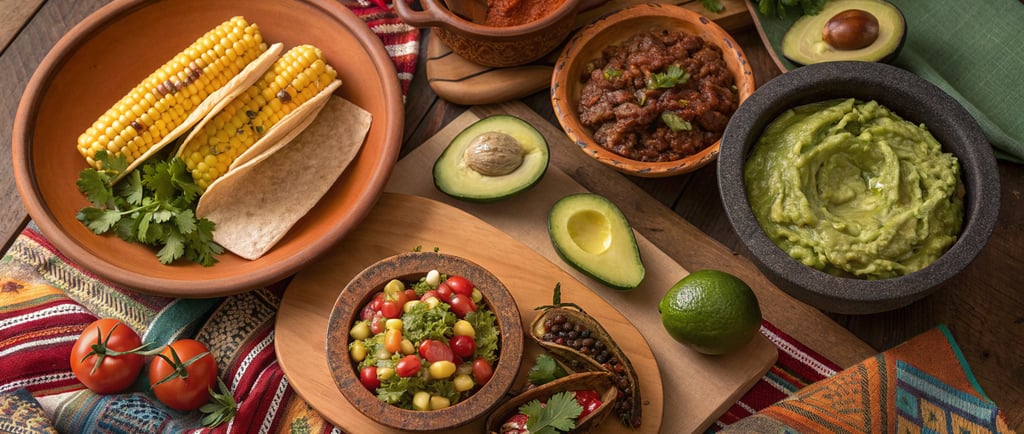
The Ancient Origins of Mexican Cuisine
Mexican cuisine boasts a rich tapestry of history rooted deep within the ancient civilizations of Mesoamerica. The dietary traditions of cultures such as the Aztecs and the Mayans significantly contributed to the culinary practices we recognize today. At the core of their sustenance were staple foods including maize, beans, and squash, which formed the basis of their meals and provided essential nutrients. The cultivation of these crops was not merely for sustenance but was intertwined with their cultural practices and rituals.
The agricultural advancements of these indigenous peoples were remarkable. For instance, the Aztecs developed sophisticated farming techniques, including the use of chinampas—floating gardens that allowed for efficient crop production on Lake Texcoco. This innovation showcased their understanding of sustainable farming and provided a reliable food source. Meals often featured the use of chilies, tomatoes, and various herbs, reflecting their deep connection to local biodiversity and flavors.
However, the arrival of Spanish colonizers in the 16th century marked a pivotal moment in the evolution of Mexican cuisine. The introduction of new ingredients such as rice, wheat, dairy products, and a variety of meats brought significant changes to traditional cooking methods. This period facilitated a fascinating culinary fusion that merged indigenous practices with European influences, resulting in a unique gastronomic landscape. The assimilation of these diverse elements not only transformed the food but also established new cooking techniques and flavor profiles.
As a result, Mexican cuisine emerged as an entity that reflects a blend of ancient traditions and foreign influences, ensuring its evolution throughout the centuries. This historical progression laid the groundwork for what would become a globally celebrated culinary heritage, shaping the eating habits and identities of those who partake in it.
Key Ingredients and Regional Variations
Mexican cuisine boasts a rich tapestry of key ingredients, each carrying cultural significance and serving as the backbone of countless traditional dishes. Among the most fundamental staples is corn, a grain that has been cultivated for thousands of years and holds a sacred place in the hearts of many Mexicans. Corn is not only the base for tortillas and tamales but also reflects regional variations in preparation and consumption.
Another staple is beans, which are appreciated for their nutritional value and versatility. In regions like Michoacán, beans are often cooked with spices and herbs to create hearty dishes, while in the Yucatán Peninsula, they may be transformed into a sweet dish called "frijoles negros," showcasing the ingredient's adaptability.
Chilies are perhaps the most iconic ingredient in Mexican cuisine, offering varying levels of heat and flavor. Each region has its preferred varieties; for example, the state of Oaxaca is famous for its smoky chipotle, while the northern states may favor the bright, tangy poblano. Additionally, tomatoes serve as a cornerstone for salsas and sauces, often varying in sweetness and acidity depending on local varieties cultivated throughout the country.
Cacao also plays a critical role, especially in south-central Mexico, where it has been historically revered as a source of nourishment and delight. Historically used in rituals and as currency, cacao finds its way into both sweet and savory dishes across various regions, particularly in mole sauces. Lastly, herbs such as cilantro and epazote enhance the flavors of many Mexican dishes. In places like the central highlands, epazote is favored for its unique aroma and flavor in soups and stews. The interplay of these ingredients illustrates how regional cultures influence the culinary landscape, demonstrating that Mexican cuisine is a vibrant and ever-evolving expression of its people and places.
Iconic Dishes and Cooking Techniques
Mexican cuisine is characterized by its diversity and depth, with iconic dishes that have transcended borders and captivated palates worldwide. Among the most recognized of these are tacos, tamales, and mole, each representing distinct cultural heritage and culinary artistry. Tacos, with their versatile fillings and endless combinations, exemplify how simplicity can reign in flavor. Whether filled with carne asada, grilled vegetables, or traditional cochinita pibil, tacos are a staple in Mexican food culture, often best enjoyed with fresh salsas and homemade tortillas.
Tamales are another quintessential dish, made from masa (corn dough) and filled with a variety of meats, cheeses, or fruits, all wrapped in corn husks and steamed to perfection. The preparation of tamales is often a communal affair, involving families and friends to gather and share techniques, creating bonds through this time-honored tradition.
Mole, a rich sauce that blends numerous ingredients like chiles, chocolate, and spices, varies significantly from region to region, reflecting the culinary diversity of Mexico. Each preparation of mole can take hours, sometimes even days, to perfect, showcasing the patience and skill inherent in Mexican cooking.
Integral to the preparation of these dishes is nixtamalization, a traditional process in which maize is treated with lime and water. This technique not only enhances the nutritional value of the corn, making it easier to digest, but also contributes to the development of flavors essential in many Mexican dishes. Furthermore, the use of a molcajete—a stone mortar and pestle—allows for an artisanal grinding technique that enriches salsas and sauces with unique textures and flavors.
Slow cooking methods are also pivotal in Mexican cuisine, enabling flavors to meld and mature over time. This culinary approach fosters a deep connection among family members, as meals are often prepared together and enjoyed communally, exemplifying the notion that food is a means of bringing people together.
Nutritional and Health Benefits of Traditional Mexican Cuisine
Traditional Mexican cuisine is often celebrated not only for its rich flavors but also for its impressive nutritional profile. Central to this culinary heritage is a focus on fresh, local ingredients that promote health and well-being. Traditional recipes frequently incorporate a variety of fresh vegetables, legumes, and lean proteins, reflecting a balanced approach to meal preparation. This emphasis on wholesome ingredients is pivotal in creating a colorful plate that is both nutritious and satisfying.
One of the hallmarks of traditional Mexican dishes is the inclusion of ingredients like beans, corn, and a range of vegetables, which provide essential vitamins, minerals, and fiber. Beans, a staple in the Mexican diet, are an excellent source of plant-based protein, iron, and magnesium, making them a benefit for heart health and digestive wellness. Similarly, the use of corn, particularly in the form of whole grain tortillas, adds complex carbohydrates and further enhances the nutritional value of meals.
Research has also shown that many traditional ingredients found in Mexican cuisine have health-promoting properties. For example, foods like avocados, rich in healthy fats, and tomatoes, packed with antioxidants, contribute to a well-rounded diet that supports cardiovascular health. Moreover, the use of spices such as chili peppers is not only integral to flavor but also offers metabolic benefits. Capsaicin, the compound that gives chili peppers their heat, has been linked to improved digestive health and a boosted metabolism.
Modern adaptations of traditional meals allow for continued enjoyment of these health benefits while catering to contemporary dietary needs. Incorporating traditional Mexican superfoods into daily meals can promote overall well-being, showcasing the adaptability and timelessness of this culinary tradition.
YumChefie
Your intelligent kitchen companion. We use advanced AI to help you reduce food waste, discover new flavors, and cook with confidence.
Contact
Subscribe
Copyright © 2026 - YumChefie