Save big on kitchen essentials!

The Evolution of World Cuisine: A Journey Through Time and Taste
Discover how global cuisine evolved through centuries of cultural exchange, trade routes, migration, and ingredient sharing. This article explores how ancient traditions, global movements, and modern fusion cooking shaped the diverse flavors and dishes we enjoy around the world today.
YumChefie
12/4/20255 min read
Introduction: Food as a Universal Connector
Food serves as a fundamental connector of humanity, transcending geographical, cultural, and social boundaries. From the most ancient societies to modern civilizations, the act of sharing a meal has always transcended mere sustenance; it embodies a rich tapestry of cultural traditions and shared experiences. Culinary practices have evolved over millennia, shaped by migrations, trade routes, and the seamless flow of cultural exchange. Each dish tells a story, reflecting the history and identity of the people who prepare and enjoy it.
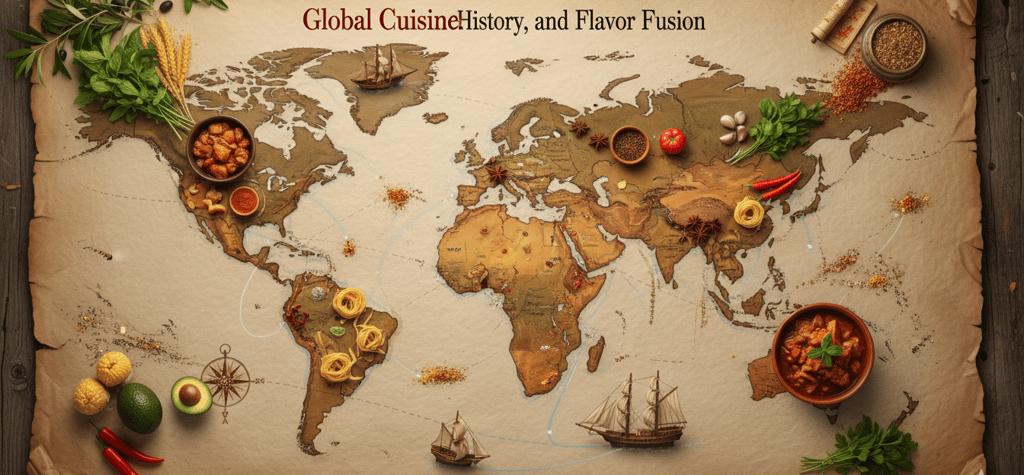
The interwoven nature of world cuisine highlights the influence of various cultures on one another. Historical migrations play a significant role in blending culinary traditions, as communities brought their ingredients, cooking techniques, and flavors to new lands. Trade routes, notably the Silk Road, facilitated the exchange of not just goods but also ideas and recipes, cultivating a diverse gastronomic landscape. This blending of flavors and techniques resulted in the development of regional cuisines that maintain their unique identity while reflecting the shared heritage of multiple cultures.
In today’s globalized world, culinary traditions continue to evolve, further emphasizing the connection between food and identity. The rise of fusion cuisine exemplifies how chefs and home cooks alike creatively combine elements of different culinary traditions to create something new and exciting. This merging of cuisines fosters a sense of community and appreciation for diverse cultures. The experience of savoring a dish that incorporates flavors from various parts of the world serves as a reminder of our shared human experience.
Understanding food as a medium of cultural exchange allows us to appreciate its deeper significance. As we embark on this journey through the evolution of world cuisine, it is essential to recognize that every culinary tradition is interrelated, showcasing both historical interactions and the dynamic nature of human connections through food.
Ancient Trade Routes: The Culinary Highways
Throughout history, trade routes have played a pivotal role in connecting cultures and facilitating the exchange of goods, ideas, and culinary traditions. Among these, the Silk Road and the spice trade stood out as major conduits for not just commercial transactions but also for the diffusion of culinary techniques and essential ingredients. These ancient highways allowed for a rich tapestry of interactions among diverse peoples, fundamentally transforming local cuisines across continents.
One of the most significant commodities traded along these routes was spices. The allure of spices such as cinnamon, cardamom, and black pepper inspired explorers and traders alike. Spices were not only used to enhance flavor but also served as preservative agents, allowing for more extensive food storage and transportation. Their integration into various regional diets brought about a notable evolution in cooking methods and recipe development. For instance, the introduction of exotic spices into European kitchens during the Middle Ages significantly altered flavor profiles and elevated the culinary arts.
Besides spices, staple grains such as rice and wheat were also central to these trade networks. Rice, primarily traded from Asia, found its way into the diets of numerous cultures and became a foundation for many traditional dishes around the globe. Similarly, wheat, with its adaptability, spread widely, altering the dietary patterns of populations from Europe to the Middle East, shaping what we now recognize as bread-based culinary traditions.
Furthermore, the introduction of citrus fruits, such as lemons and oranges, invigorated cuisines in warmer climates, enhancing not only flavor but also the nutritional value of dishes. These ingredients, enriched by their respective cultural heritages, laid the groundwork for varied culinary practices worldwide.
The interconnection of these trade routes not only facilitated the exchange of ingredients but also encouraged cross-cultural collaboration and influence. As culinary techniques and flavors mingled, they cultivated a more complex and diverse global gastronomy, reflecting both local traditions and the impact of trade on food evolution.
Migration: The Movement of People and Recipes
The process of migration has played a pivotal role in shaping world cuisines, as it involves not just the movement of individuals but also the transfer of culinary traditions across borders. Throughout history, waves of migration, both voluntary and forced, have led to the dissemination of diverse food practices, ingredients, and cooking techniques. These exchanges have fostered innovation in the culinary arts, laying the groundwork for today’s rich tapestry of global cuisine.
One notable example of this phenomenon can be seen with the influx of Italian immigrants to the United States in the late 19th and early 20th centuries. As these individuals settled in urban centers, they brought with them traditional dishes such as pasta and pizza. Over time, these foods evolved, influenced by local ingredients and tastes. The classic Neapolitan pizza, for instance, transformed into a variety of styles, including the deep-dish pizza made famous in Chicago. This evolution not only highlights the adaptability of food traditions but also reflects the creative interplay between different culinary backgrounds.
Furthermore, the blending of flavors and techniques that occurs when cultures intersect gives rise to what is commonly referred to as fusion cuisine. This culinary innovation can be seen in the pairing of Asian and Latin American flavors, resulting in dishes like sushi burritos or kimchi tacos. Such creations demonstrate how migration allows for the confluence of different ingredients and cooking styles, enriching the dining experience and expanding the palate of food enthusiasts across the globe.
Food has always served as a means of maintaining identity and sharing culture among immigrant communities. By preparing traditional recipes in new lands, these communities preserve their heritage while inviting others to experience their culinary history. This intermingling is a testament to the resilience of culture and the enduring nature of food as a universal language that transcends borders.
Globalization: The Modern Culinary Landscape
Globalization has dramatically transformed the culinary landscape, making diverse cuisines more accessible than ever before. Advances in technology, communication, and international trade have facilitated the exchange of food cultures, leading to a dynamic fusion of flavors and cooking techniques. Today, individuals are not only exposed to their local cuisines but also to an array of international dishes that reflect the varied tastes of cultures around the globe. This phenomenon has been propelled by the rapid expansion of the internet and social media, which allow chefs and food enthusiasts to share recipes, cooking methods, and culinary traditions instantaneously.
The advent of fast food culture exemplifies one consequence of this culinary globalization. Popular fast-food chains have introduced unique flavors and menu items from various countries, yet they often simplify complex dishes to appeal to a broader audience. This has resulted in the widespread availability of international fare; however, it raises questions about the authenticity and quality of the food being served. Moreover, food fads driven by social media trends can lead to temporary enthusiasm for specific cuisines but may overlook the deeper cultural significance and history associated with them.
Despite these challenges, globalization has also fostered significant positive outcomes for world cuisine. The intermingling of different culinary traditions has led to innovation, inspiring chefs to create new dishes that celebrate diversity. However, this blending of flavors comes with the weight of cultural appropriation, as traditional foods and practices are often commodified and stripped of their original context. In a rapidly changing global landscape, it is vital to maintain a delicate balance—honoring the rich heritage of cuisines while embracing the inevitable evolution that globalization brings. Ultimately, the future of world cuisine will likely reflect a tapestry of tradition and innovation, where different cultures continue to share and celebrate their culinary legacies.
YumChefie

Your intelligent kitchen companion. We use advanced AI to help you reduce food waste, discover new flavors, and cook with confidence.
Contact
Subscribe
Copyright © 2026 - YumChefie