Save big on kitchen essentials!

Taste the Flavors of the Middle East: A Look at the Origins and Health Benefits of Arabic Recipes
Discover the rich flavors of Middle Eastern cuisine, exploring its ancient origins, traditional ingredients, and the health benefits behind its wholesome, aromatic dishes.
Yumchefie
12/15/20255 min read
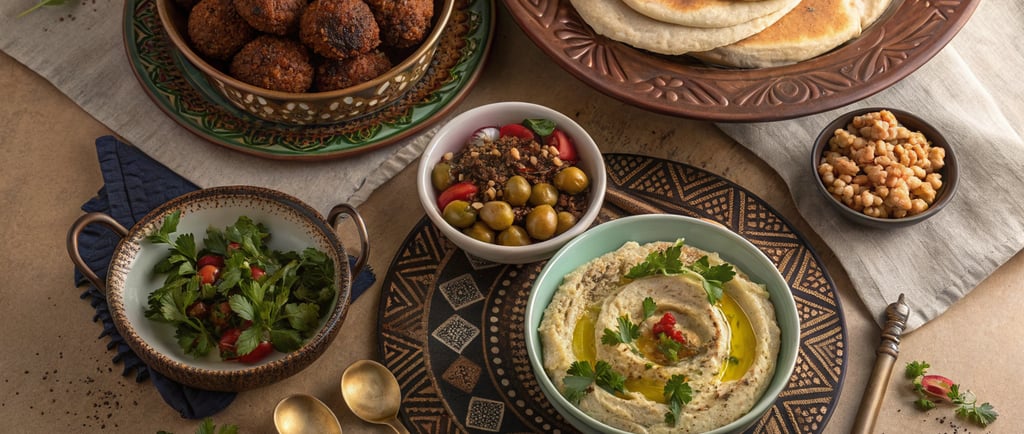

Historical Roots of Arabic Cuisine
Arabic cuisine boasts a rich historical tapestry woven through centuries of trade, conquests, and cultural interactions that have significantly influenced its development. The Mediterranean trade routes, particularly during ancient times, facilitated the exchange of not only goods but also culinary traditions among diverse cultures. As various empires rose and fell, such as the Umayyad and Abbasid Caliphates, they forged connections with other regions, incorporating local ingredients, techniques, and flavors into their culinary repertoire.
The Levant, Gulf, and North Africa stand as testament to this evolution, showcasing a wide variety of dishes that reflect the unique influences of each area. For instance, the Levantine cuisine, characterized by dishes such as tabbouleh and hummus, benefited from the agricultural abundance of the region, where olives, grains, and legumes were staples. In contrast, the cuisine of North Africa, known for its vibrant spices and use of preserved ingredients, emerged from the interplay of Berber, Arab, and Mediterranean cultures.
Climate and geography also play crucial roles in shaping Arabic cuisine. Coastal areas enjoy access to a bounty of seafood, while arid regions rely on hearty grains and legumes. This geographical diversity leads to distinct culinary practices, allowing for a rich array of flavors and textures. For example, the use of spices like cumin, coriander, and saffron—each with their own historical significance—has become integral to Arabic cooking, enhancing the complexity of dishes and providing a sensory connection to the land’s history.
Through centuries of migration, trade, and cultural fusion, Arabic cuisine has evolved into a vibrant expression of identity and heritage. The historical roots of this diverse culinary tradition remind us that every dish tells a story, embodying the interwoven cultural fabric of the Arab world.
Staple Ingredients and Their Health Benefits
The culinary landscape of the Middle East is characterized by a rich array of staple ingredients that not only offer a burst of flavors but also provide numerous health benefits. Key components such as olive oil, legumes, grains, herbs, and spices are integral to Arabic recipes, each contributing to an overall sense of well-being and vitality.
Olive oil, often referred to as the cornerstone of Mediterranean diets, is renowned for its heart-healthy monounsaturated fats and antioxidants, which can lower the risk of cardiovascular diseases. The inclusion of olive oil in a diet enhances the absorption of fat-soluble vitamins and provides a flavorful alternative to processed fats. Opting for high-quality, extra virgin olive oil can amplify these benefits, promoting healthy skin and reducing inflammation.
Legumes, including lentils, chickpeas, and beans, serve as an excellent source of plant-based protein and dietary fiber. These ingredients play a critical role in supporting digestive health by promoting regular bowel movements and maintaining satiety. Their low glycemic index helps stabilize blood sugar levels, making them particularly beneficial for individuals with diabetes. Incorporating legumes into daily meals can be as simple as adding them to salads, soups, or stews.
Grains like bulgur, quinoa, and farro are staples in many Arabic dishes and are packed with essential nutrients. These whole grains provide a rich source of fiber, B vitamins, and minerals that are vital for energy production and overall health. By replacing refined carbohydrates with whole grains, one can improve digestive health and sustain energy levels throughout the day.
Herbs and spices, such as cumin, coriander, and mint, not only elevate the flavors of dishes but also offer a range of health benefits. Many herbs and spices possess anti-inflammatory and antimicrobial properties, enhancing the immune system's defense against illness. Incorporating a variety of these aromatic ingredients into meals can encourage a flavorful, nutrient-dense diet.
Incorporating these staple ingredients into modern meal planning can be achieved through simple adjustments. From drizzle olive oil on salads to preparing lentil soup or serving quinoa as a side, the integration of these healthful elements is accessible and versatile. By embracing the wisdom of traditional Arabic recipes, individuals can enjoy delicious meals while reaping significant health benefits.
Classic Arabic Recipes and Traditional Cooking Methods
Arabic cuisine is renowned for its rich flavors and diverse ingredients, reflecting the cultural heritage of the Middle East. Classic dishes embody the essence of traditional cooking methods that have been cherished and passed down through generations. Central to Arabic cooking are techniques such as slow cooking, grilling, and baking, each delivering unique textures and flavors to the meals.
One widely celebrated dish is hummus, a creamy blend of chickpeas, tahini, garlic, and lemon juice. Traditionally made with the utmost care, hummus is typically prepared by slowly mashing the chickpeas to achieve a silky texture. It is often enjoyed as a dip with fresh pita bread or vegetables, offering both taste and nutritional benefits. To recreate authentic hummus at home, it is advisable to use dried chickpeas instead of canned ones, soaking them overnight to enhance their flavor and texture.
Another staple is tabbouleh, a refreshing salad made from finely chopped parsley, tomatoes, mint, and bulgur wheat, dressed with lemon juice and olive oil. This dish showcases the Arabic techniques of chopping and marinating, emphasizing the importance of freshness in ingredients. Tabbouleh can serve as a vibrant accompaniment to various main courses, providing a healthy and light option within the meal.
Tagines, named after the earthenware pot in which they are cooked, reflect the essence of slow cooking common in Arabic households. Ingredients such as lamb, chicken, and an array of vegetables are simmered for hours with aromatic spices, allowing flavors to meld beautifully. Recreating a tagine at home requires patience and attention to detail, but the result is a deeply flavorful dish that pays homage to traditional techniques.
By focusing on these classic Arabic recipes and utilizing authentic cooking methods, one can appreciate the depth of flavors that have made Arabic cuisine beloved across the globe.
Balancing Flavor, Wellness, and Heritage in Modern Kitchens
Arabic cuisine exemplifies a harmonious blend of flavor, wellness, and cultural heritage, making it increasingly popular in modern culinary practices across the globe. The distinct flavors that characterize Arabic recipes often originate from a rich tapestry of spices, herbs, and ingredients that not only provide culinary depth but also contribute to health benefits. For instance, spices such as cumin, turmeric, and coriander are celebrated not only for their aromatic qualities but also for their potential antioxidant and anti-inflammatory properties.
The surge in the popularity of Arabic food can be attributed to a growing awareness of healthier dietary choices that embrace wholesome, fresh ingredients. Traditional Arabic dishes, such as tabbouleh and falafel, exemplify the use of vegetables and legumes, providing numerous nutritional benefits. The global shift towards plant-based diets has seen these dishes being adapted and infused with contemporary techniques, making them more accessible to diverse audiences.
Furthermore, modern kitchens are witnessing an exciting fusion of traditional Arabic recipes with contemporary culinary trends. Chefs and home cooks alike are experimenting with innovative presentations and ingredient substitutions, thus enhancing the relevance of Arabic cuisine in today’s world. This blending not only honors the richness of Arabic culinary heritage but also amplifies its presence in a diverse array of dining experiences, from casual dining to gourmet settings.
By embracing the balance of flavor and wellness for which Arabic cooking is renowned, individuals can reap the benefits of a nutritious diet while indulging in the vibrant cultural narratives that accompany these dishes. The thoughtful integration of traditional elements fosters a deeper connection to heritage, allowing those who partake in Arabic food to appreciate its history. Ultimately, Arabic cuisine continues to enrich modern culinary landscapes, bridging cultural divides while celebrating the profound health benefits and flavors it offers.
Your intelligent kitchen companion. We use advanced AI to help you reduce food waste, discover new flavors, and cook with confidence.
Contact
Subscribe
Copyright © 2026 - YumChefie