Save big on kitchen essentials!

Street Food Around the World
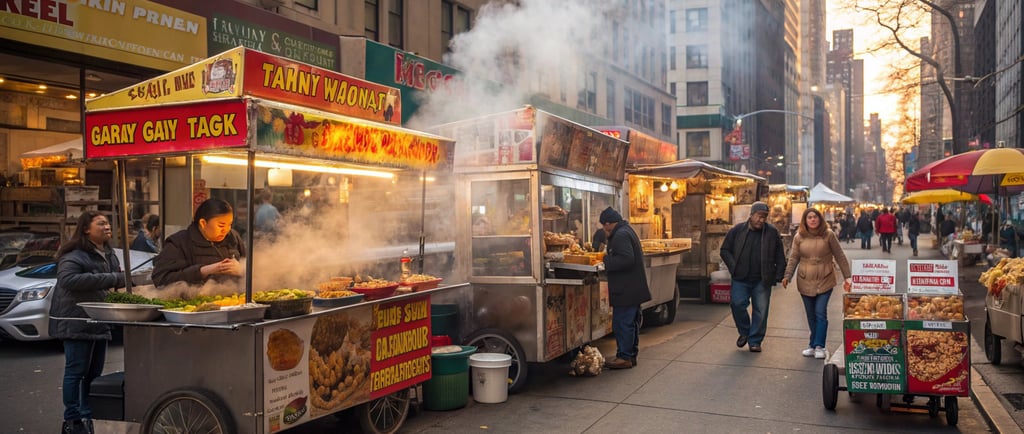
Street food around the world offers an authentic taste of local culture, showcasing affordable, flavorful dishes that reflect everyday life, traditions, and the diverse culinary identities of communities across the globe.
YumChefie
12/21/20255 min read
The Essence of Street Food: A Cultural Reflection
Street food is not merely a convenient option for a quick meal; it is a vibrant reflection of the cultural and social fabric of communities worldwide. Representing a unique intersection of tradition, taste, and accessibility, street food often provides a window into the daily lives and practices of local populations. Each region boasts its own specialties that embody the flavors, ingredients, and cooking techniques specific to that culture, making it an essential part of its culinary heritage.
In Asia, for instance, the bustling streets are lined with vendors offering dishes like Thai Pad See Ew, stir-fried noodles that showcase a balance of sweet, savory, and spicy flavors—each bite encapsulating Thailand's culinary ethos. Similarly, India’s chaat is a mosaic of textures and tastes, blending sweet, tangy, and spicy elements, reflecting the subcontinent's diverse palette.
Traveling to Africa, one encounters the popular and hearty jollof rice, often sold from street-side stalls, which highlights the convivial culture surrounding meals in West African nations. Each region boasts its variations, symbolizing local ingredients and cooking methods while fostering communal ties through food sharing.
Latin America, too, has its share of vibrant street food offerings. The beloved taco stands of Mexico serve up an array of flavors wrapped in freshly made tortillas, illustrating the rich history of indigenous ingredients combined with colonial influences.
Europe, often thought of as a hub for fine dining, has an array of delectable street food such as the Belgian frites. These crispy fries, often served with a variety of sauces, embody a simple yet cherished culinary tradition.
Finally, in the Middle East, shawarma has become an iconic street food, showcasing marinated meats wrapped in pita bread. This dish not only reflects the region's agricultural practices but also symbolizes the importance of communal dining in many Middle Eastern cultures.
Overall, street food serves as a vibrant reflection of the communities and cultures from which it originates, weaving together history, tradition, and the everyday lives of the people. It bridges generations and brings individuals together, celebrating local culinary arts in a manner that is accessible and meaningful.
The Advantages of Street Food: Why It's a Popular Choice
Street food has become an integral part of urban culture around the globe, offering diverse benefits that contribute to its widespread popularity. One of the primary advantages of street food is its affordability. In many cities, meals sold at street stalls or from food carts are significantly less expensive than those available in traditional dining establishments. This accessibility allows individuals from various economic backgrounds to enjoy flavorful dishes without straining their budgets.
Besides affordability, the variety of street food available plays a crucial role in its appeal. Street food vendors often provide an eclectic mix of options, catering to different cultural tastes and preferences. For instance, in Thailand, one might savor spicy pad thai or som tam, while in Mexico, tacos filled with various ingredients are pervasive street choices. This diversity not only showcases the local cuisine but also encourages culinary experimentation for food lovers. From savory pastries in Eastern Europe to skewers in the Middle East, each region offers unique treats that reflect its heritage.
Furthermore, the accessibility of street food contributes significantly to its popularity. Street vendors can often be found in bustling markets, busy street corners, and even at festivals, ensuring that food is readily available to anyone on the go. This convenience appeals to both locals and tourists, especially those seeking a quick meal during busy schedules or events. The informal atmosphere of street food dining also enhances the experience, allowing for a communal and vibrant setting that is often lacking in formal dining spaces.
In summary, the advantages of street food, including its affordability, variety, and accessibility, make it a preferred choice for many. As a reflection of the local culture and an embodiment of culinary creativity, street food continues to attract food enthusiasts from all walks of life.
Health and Hygiene: Navigating the Risks
Street food is often celebrated for its vibrant flavors and cultural significance, yet it is also commonly associated with health and hygiene concerns. Misconceptions about street food safety can deter consumers; however, it is crucial to navigate these perceptions with a balanced perspective. Many street food vendors recognize the importance of adhering to health regulations and implementing best practices to ensure food safety.
One prevalent concern involves contamination risks, which can arise from improper food handling, inadequate cooking temperatures, and unsanitary preparation environments. Yet, countless street food vendors rise to the challenge by maintaining clean cooking spaces and utilizing fresh ingredients. Regular inspections conducted by local health authorities often ensure adherence to specific food safety standards, which helps assuage fears related to consuming street food.
Moreover, many vendors engage in continual education and training on hygiene practices to further mitigate risks. They understand the significance of proper handwashing techniques, safe food storage, and the importance of using gloves while handling ready-to-eat items. This proactive approach not only ensures the safety of their offerings but also builds consumer trust.
For consumers wishing to enjoy street food safely, several practical tips can enhance the experience. Observing the vendor's setup can provide insights into their cleanliness; a busy stall often indicates both freshness and popularity. It is advisable to choose vendors who cook food in front of customers, ensuring that the meal is prepared under hygienic conditions. Additionally, opting for freshly prepared items over pre-cooked snacks can greatly reduce the risk of foodborne illnesses.
In conclusion, while there are certain health risks associated with street food, a growing number of vendors are committed to upholding sanitation standards and safety measures. By being informed and vigilant, consumers can relish the unique experiences street food offers without compromising their health.
Connecting Communities: The Social Aspect of Street Food
Street food operates as a vital thread that connects communities around the globe. It serves not only as a source of delectable meals but also as a social hub where individuals gather, exchange stories, and build relationships. In bustling city streets or quiet village corners, street food vendors create a unique atmosphere that fosters interaction among locals and visitors alike. This communal experience transcends mere consumption, forging bonds that reflect the essence of cultural identity.
One of the most captivating aspects of street food is its ability to bring together diverse groups of people. Markets and food stalls often become meeting points where individuals from varying backgrounds come together to enjoy local delicacies. For example, in cities like Bangkok, street food often serves as the backdrop for family gatherings and evening socializing, where residents savor traditional dishes while sharing laughter and conversation. The vibrant chaos of street vendors and the communal tables denote a dynamic social landscape, underscoring the integral role food plays in human connections.
Moreover, street food reflects the daily rhythms of life within a community. Vendors often cater to local preferences, adapting their offerings to the tastes and traditions of the area. This showcases not only regional diversity in culinary practices but also a shared pride among locals for their heritage. From savory tacos in Mexican markets to steaming dumplings in Chinese alleyways, these everyday meals encapsulate narratives that contribute to the overall cultural landscape.
In essence, the social aspect of street food extends beyond sustenance; it embodies the spirit of community. As people gather to enjoy flavorful offerings, they engage in a shared experience that strengthens communal ties and fosters appreciation for cultural diversity. By exploring the stories of street food interactions, we gain insight into its significant impact on community cohesion and identity.
YumChefie
Your intelligent kitchen companion. We use advanced AI to help you reduce food waste, discover new flavors, and cook with confidence.
Contact
Subscribe
Copyright © 2026 - YumChefie