Save big on kitchen essentials!

Royal and Luxurious Cuisine
Royal and luxurious cuisine showcases rare ingredients and elegant presentation, offering an exclusive, high-quality dining experience that was once reserved for royalty and the upper classes.
YumChefie
1/14/20265 min read
The Essence of High-End Gastronomy
High-end gastronomy is an exquisite domain that transcends ordinary culinary experiences, distinguishing itself through a combination of rare ingredients, exceptional presentation, and refined cooking techniques. At the core of royal and luxurious cuisine lies an emphasis on sourcing unique and often exclusive ingredients that are not typically found in everyday cooking. Truffles, saffron, and caviar, for instance, are culinary treasures that elevate dishes to the realm of opulence, imparting an unmistakable richness that is sought after by connoisseurs.
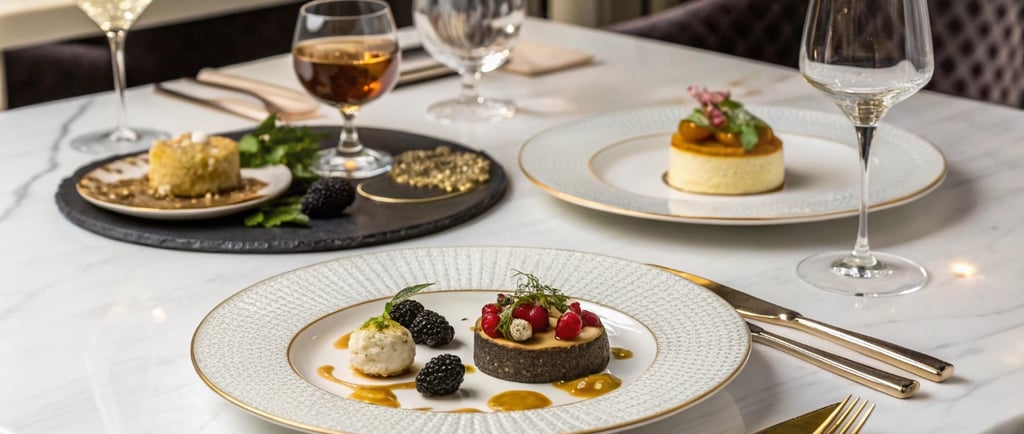
This type of cuisine is defined by its artistic presentation, which plays a crucial role in the overall dining experience. A plate is not merely a vessel for food but also a canvas that showcases the chef's creativity and attention to detail. Each element is thoughtfully arranged, often reflecting not just an aesthetic appeal but also a narrative about the dish’s origin and its ingredients. The use of fine china, intricate garnishes, and meticulous plating techniques transforms each meal into a visual feast, enhancing the sensory journey for diners.
Moreover, refined cooking techniques are another hallmark of high-end gastronomy. Chefs employ methods such as sous-vide, molecular gastronomy, and other innovative practices to achieve textures and flavors that are simply unattainable through traditional cooking. These techniques require not only skill but also a deep understanding of the science behind food, allowing chefs to push culinary boundaries and create unforgettable dining experiences.
What truly sets high-end gastronomy apart from regular fine dining is this dedication to elegance and attention to detail. Every aspect, from ingredient selection to presentation and cooking method, is judiciously considered to create a luxurious atmosphere. Guests do not merely consume a meal; they partake in a grand culinary narrative that awakens their senses and leaves a lasting impression. The essence of royal and luxurious cuisine lies in this profound commitment to artistry, quality, and the elevation of even the simplest elements into extraordinary experiences.
Historical Roots of Royal Cuisine
The origins of royal cuisine can be traced back to ancient civilizations where food was not simply sustenance but a symbol of power and status. In many cultures, the ability to prepare and present extravagant meals was a reflection of wealth and social standing. Historical records indicate that royal banquets often showcased an array of delicate dishes, elaborately garnished and served in multiple courses, demonstrating the host's affluence and culinary sophistication.
In Europe during the medieval period, royal households became the epicenters of culinary innovation. Emperors, kings, and queens employed skilled chefs who experimented with ingredients and cooking techniques, focusing on creating dishes that would leave a lasting impression on guests. Notable figures such as King Henry VIII of England were known for their lavish feasts that could include up to two hundred courses, featuring uncommon ingredients like exotic spices, meats, and sweets.
Furthermore, the Renaissance era marked a significant evolution in the preparation and presentation of food within royal courts. This period saw the introduction of refined cooking methods and the establishment of culinary schools, resulting in elevated standards of gastronomy. Influences from the Mediterranean and Asia began seeping into traditional European royal menus, enriching the variety and complexity of royal dishes.
As global exploration expanded during the Age of Discovery, new ingredients such as chocolate, tomatoes, and various spices made their way into the royal kitchens. This contact with different cultures further diversified royal cuisine, reflecting the opulence that characterized nobility. By the 18th century, cuisine became an art form among the aristocracy, with chefs gaining notoriety and prestige for their exceptional culinary creations.
Today, traces of these royal culinary traditions persist in contemporary high cuisine, showcasing not only the rich heritage but also the enduring fascination with luxurious gastronomy that continues to appeal to modern palates.
The Cost of Luxury: Why Royal Cuisine is Expensive
Royal cuisine is often synonymous with extravagance and opulence, a reflection of the luxurious lifestyle associated with royalty. The high cost of this gourmet experience can be attributed to several significant factors. Primarily, the ingredients used in royal cuisine are often rare and exquisite, sourced from remote locations or harvested in limited quantities. For instance, saffron, one of the most expensive spices in the world, is a common ingredient in royal dishes, and its labor-intensive harvesting process contributes to its sky-high price tag. Similarly, unique game and seasoning are often utilized, further increasing the overall cost.
Furthermore, the preparation and presentation of royal cuisine involve highly skilled craftsmanship. Chefs specializing in this exclusive culinary genre often possess years of training and expertise, with many having studied under acclaimed masters. The meticulous techniques involved in creating these gourmet dishes require time, precision, and artistry, factors that are inherently costly. Such chefs often work in teams, further driving up the labor expenses associated with royal dining. The intricate plating and elaborate presentations are also designed to create a visually stunning experience that mirrors the lavish nature of the meal itself.
The exclusivity of royal cuisine also plays a pivotal role in its pricing. High-end restaurants that offer these types of dishes often need to maintain an ambiance that reflects the grandeur of the food served. This adds overhead costs relating to decor, service staff, and the overall dining environment. Additionally, limited seating typically found in these establishments ensures that demand often outweighs supply, which allows them to dictate higher prices. As a result, many diners find themselves priced out of what is considered a royal dining experience, making it a luxury that is often accessible only to a privileged few.
Royal cuisine, epitomized by the culinary traditions of historical monarchies, has undoubtedly left an indelible mark on contemporary fine dining. Today, chefs and gastronomes alike continue to draw inspiration from the sumptuous dishes that once graced the tables of royalty. Modern interpretations of royal cuisine often feature intricate plating, complex flavor profiles, and a focus on seasonal, high-quality ingredients. Upscale restaurants frequently incorporate classic royal techniques, transforming once exclusive dishes into accessible luxuries for a broader audience.
The enduring legacy of royal cuisine is evident not only in the ingredients used but also in the meticulous preparation methods that chefs adopt. Techniques such as sous-vide cooking, for instance, mirror the precision and respect for quality that characterized historical royal kitchens. Chefs utilize these methods to enhance flavors and textures, bringing a level of refinement reminiscent of past monarchs' dining experiences. Furthermore, tasting menus inspired by royal banquets allow diners to embark on a culinary journey that echoes the opulence and creativity of a bygone era.
In addition to technical approaches, many chefs today embrace the philosophy behind royal cuisine, which emphasizes the importance of presentation and the dining experience as a whole. The aesthetic aspects of a dish – from colors and textures to the arrangement on the plate – reflect an evolution influenced by royal dining customs, where every meal was perceived as a work of art. This contemporary embrace of artistry is evident in many Michelin-starred restaurants, where diners not only enjoy exquisite flavors but also partake in a visual spectacle.
Ultimately, the influence of royal cuisine persists in modern gastronomy, manifesting in innovative dishes that honor tradition while embracing contemporary culinary trends. The legacy of royal dining continues to inspire chefs worldwide, ensuring that the exquisite flavors and esteemed techniques that once defined cuisines of old remain alive and well in today's culinary landscape.
YumChefie
Your intelligent kitchen companion. We use advanced AI to help you reduce food waste, discover new flavors, and cook with confidence.
Contact
Subscribe
Copyright © 2026 - YumChefie