Save big on kitchen essentials!

How to Create a Global Food Pantry at Home
Discover how to build a global food pantry at home with essential ingredients, herbs, sauces, and tools that make cooking international cuisines simple and enjoyable. Learn what to stock, why it matters, and how to store it, so you can explore flavors from around the world and bring diverse, authentic dishes to your everyday meals.
YumChefie
12/13/20258 min read
Introduction to a Global Food Pantry
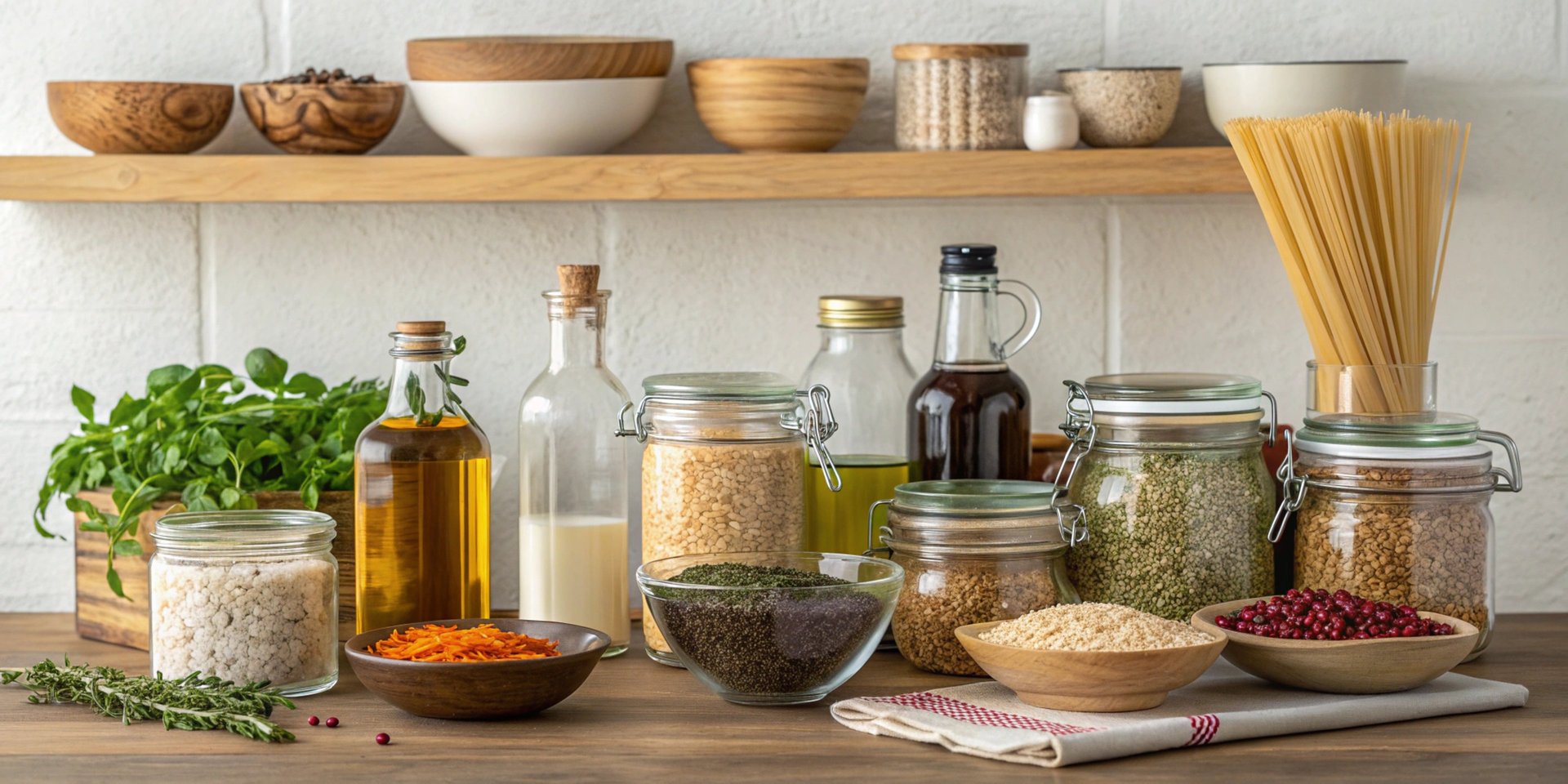
The concept of a global food pantry refers to a well-stocked collection of ingredients sourced from various culinary traditions worldwide. This pantry serves as a foundation for home cooks seeking to explore and create a diverse array of international dishes. By incorporating elements from different cultures, individuals can significantly enhance their cooking experiences and broaden their palates. The significance of a global food pantry lies not only in its capacity to diversify culinary offerings but also in the unique opportunities it presents for cultural appreciation through the medium of food.
One of the primary benefits of maintaining a global food pantry is the fostering of creativity in cooking. Home chefs are often inspired to experiment with flavors and techniques they may not typically encounter in their everyday cooking. This adventurous approach can lead to innovative meal creations that delight both the cook and those partaking in the meal. In addition, the diverse array of ingredients, such as spices, legumes, grains, and sauces, allows for the exploration of various cuisines that may be otherwise inaccessible. The ability to replicate traditional dishes from around the globe can bring families together and create a sense of shared experience.
Moreover, a global food pantry enriches the taste of everyday dishes by allowing cooks to infuse meals with authentic global flavors. Access to international ingredients can elevate simple recipes, transforming them into culinary masterpieces that resonate with diverse cultural heritages. This enhancement of flavors contributes to the overall enjoyment of food, making mealtime an occasion to savor rather than a mere necessity. Ultimately, establishing a global food pantry can transform mundane cooking routines into exciting culinary adventures that celebrate the richness of world cuisines.
Essential Grains for Your Pantry
When establishing a global food pantry, incorporating a variety of essential grains is paramount. Grains such as rice, quinoa, couscous, and oats are not only versatile but also serve as nutritional powerhouses that can enhance the quality of your meals. Each grain brings unique characteristics and cultural significance that enrich the culinary experience.
Rice, one of the most widely consumed grains globally, is celebrated for its adaptability across different cuisines. It comes in numerous varieties, including white, brown, and jasmine, each offering distinct flavors and textures. Rich in carbohydrates, rice acts as a wholesome base for countless dishes, making it an indispensable component of any pantry.
Quinoa, often referred to as a superfood, has gained immense popularity due to its high protein content and essential amino acids. Originating from the Andean region of South America, quinoa is gluten-free and can be utilized in salads, soups, or as a side dish. Its versatility allows it to complement a wide variety of ingredients, making it a favored choice for health-conscious individuals.
Couscous, a staple in North African cuisine, is made from durum wheat and provides a light, fluffy texture that pairs excellently with stews and vegetables. When stored properly in an airtight container, couscous can maintain its freshness and nutritional properties for extended periods.
Oats, known for their heart-healthy benefits, can be used in various forms, such as rolled or steel-cut. They are a nutritious option for breakfast and can also be incorporated into baked goods. To maintain their freshness, oats should be kept in a cool, dry place away from direct sunlight.
For optimal quality, sourcing grains from local markets or reputable online retailers is advisable. Emphasizing the importance of diverse grains not only enhances your meal's nutritional profile but also celebrates the rich culinary traditions from around the world.
Legumes and Their Global Importance
Legumes represent an essential category of food items that includes staples such as lentils, chickpeas, black beans, and various other varieties. These nutrient-dense foods are celebrated worldwide not only for their taste and versatility but also for their substantial health benefits. Rich in protein and fiber, legumes serve as a significant source of nutrition, particularly in vegetarian and vegan diets. The high protein content of legumes makes them an excellent substitute for meat, providing essential amino acids while promoting muscle health.
The inclusion of legumes in daily meals supports digestive health, as their fiber content aids in maintaining gut function and promoting regularity. They are also known for their low glycemic index, which can help regulate blood sugar levels, making them an excellent choice for individuals managing diabetes. This remarkable balance of nutrients, including vitamins and minerals, solidifies the importance of legumes in a balanced diet.
Across cultures, legumes play a pivotal role in traditional cooking. Each region showcases unique recipes that highlight the versatility of legumes, from Indian dal and Middle Eastern hummus to Mexican black bean tacos and Mediterranean lentil salads. As such, they can help create a diverse menu that reflects global culinary traditions. For those interested in creating a global food pantry at home, it is essential to understand how to properly store and prepare these ingredients. Dried legumes typically have a longer shelf life than canned varieties and require soaking before cooking, while canned legumes offer convenience with limited preparation time.
Sourcing legumes can be approached through local farmers’ markets or international food stores, which may offer a wider variety of items. Exploring these options not only contributes to one’s pantry but also encourages support for sustainable agricultural practices. Emphasizing the global importance of legumes ensures that healthful dining is accessible and diverse.
Oils and Fats: The Flavor Enhancers
In the realm of global cuisines, oils and fats play a crucial role as flavor enhancers, adding depth and richness to dishes while also serving essential cooking functions. Each type of oil possesses distinct characteristics that contribute to the overall culinary experience. Olive oil, for instance, is a staple in Mediterranean cooking, valued for its balanced flavor and health benefits. It is especially effective in dressings, marinades, and for drizzling over finished dishes, imparting a light, fruity essence.
Coconut oil, predominantly used in Southeast Asian and Indian cuisines, provides a subtle sweetness and a unique aromatic quality to foods. It is ideal for frying and sautéing due to its high smoke point, making it a versatile option for a variety of dishes—from curries to tropical desserts. Sesame oil is another important fat, especially in Asian cooking. Its nutty flavor can enhance stir-fries and dressings; toasted sesame oil, in particular, is excellent for finishing dishes, infusing them with a rich, complex taste.
Clarified butter, known as ghee in Indian cooking, is prized for its aromatic properties and ability to withstand higher cooking temperatures without burning. It introduces a distinctive, buttery flavor that can elevate any meal, from traditional curries to modern vegetable dishes. When selecting oils, consider the cooking method; for high-heat applications, oils with higher smoke points are preferable, while oils meant for drizzling or dressing can be more nuanced in flavor.
Proper storage is also vital to preserving the quality of cooking oils. Keep them in a cool, dark place, and ensure that they are tightly sealed to prevent oxidation. Integrating these oils and fats into everyday recipes not only enhances flavors but also connects you to diverse culinary traditions, celebrating the rich cultural significance of each ingredient.
Spices that Ignite Your Dishes
Spices play a crucial role in transforming ordinary meals into extraordinary culinary experiences. They not only enhance the flavor of dishes but also contribute to their nutritional profile. One of the quintessential spices is cumin, widely used in various global cuisines. Its earthy aroma and warm taste make it an excellent addition to curries, stews, and even salads. Cumin is known for its digestion-supporting properties and high antioxidant content, making it a staple in many healthy diets.
Another noteworthy spice is turmeric, revered for its bright yellow color and inherent health benefits. Renowned for its anti-inflammatory and antioxidant properties, turmeric is often used to add a warm, slightly bitter flavor to dishes. It is a vital component of Indian cuisine, particularly in curries, where it imparts a distinctive taste and vibrant hue. Furthermore, pairing turmeric with black pepper significantly enhances its bioavailability, thereby maximizing health benefits.
Paprika, with its origins in Hungary, offers a spectrum of flavors ranging from sweet to smoky. This versatile spice can elevate the taste profile of grilled meats, stews, or roasted vegetables. Additionally, paprika is a rich source of vitamins A, E, and numerous antioxidants, underscoring its health-promoting potential. On the sweeter side, cardamom adds complexity to both savory and sweet dishes alike. Its unique flavor can elevate desserts, coffee, and chai tea, while also being recognized for aiding digestive health.
Combining these spices can lead to the creation of signature spice mixes, providing depth to your dishes. To maximize flavor and health benefits, it’s essential to store spices properly; keep them in airtight containers, away from direct sunlight and heat. Sourcing spices can also enhance your cooking experience—consider visiting local spice markets for fresh options or exploring online specialty stores for unique blends. By understanding the benefits and applications of various spices, you can create a vibrant, global pantry that truly ignites your culinary ventures.
Herbs and Signature Sauces: The Final Touch
In the realm of culinary arts, the significance of fresh herbs and signature sauces cannot be overstated. These elements serve not only as enhancements to flavors but also create a sensory experience that distinguishes a dish. Popular herbs such as cilantro, basil, and mint bring vibrancy and freshness, transforming a simple recipe into an exciting creation. For instance, cilantro is often used in various cuisines, from Latin American to Asian dishes, imparting a citrusy flavor that elevates the overall palate. Similarly, basil, commonly associated with Italian cuisine, offers a sweet, aromatic essence that pairs beautifully with tomatoes and cheeses.
On the other hand, signature sauces like soy sauce, salsa, and tzatziki play an integral role in the culinary landscape. Soy sauce, with its umami flavor, is a quintessential component in many Asian dishes, enriching everything from stir-fries to marinades. Salsa, a fresh blend of tomatoes, onions, and peppers, brings a zesty kick to tacos or grilled meats, while tzatziki, a yogurt-based sauce infused with cucumbers and garlic, serves as a refreshing complement to Mediterranean dishes. These sauces not only add depth to flavors but can also serve as a foundation upon which other ingredients build.
For those looking to infuse their meals with these delightful components, growing herbs at home is a rewarding practice. Many herbs can thrive in small pots on a windowsill or balcony, offering a convenient source of fresh ingredients. Additionally, exploring local markets or specialty grocery stores can yield a variety of sauces that reflect authentic flavors from different cuisines. By integrating fresh herbs and signature sauces, home cooks can significantly enhance their culinary creations and achieve a more global palate in their everyday meals.
Practical Tools for Global Cooking
To successfully create a global food pantry at home, the right tools are essential. Investing in effective kitchen tools allows culinary enthusiasts to explore diverse cuisines and prepare authentic dishes with ease. Among the must-have tools, a spice grinder stands out as vital for elevating the flavor profiles in your cooking. Freshly ground spices can significantly enhance the aroma and taste of meals, making each culinary adventure more engaging. Similarly, a mortar and pestle enable the efficient grinding and blending of herbs and spices, promoting a hands-on approach to preparing ingredients that is often essential in traditional cooking methods.
Another key tool to consider is a rice cooker. This versatile appliance simplifies the process of cooking rice and grains, ensuring consistent results every time. It also allows for the preparation of a wide range of international dishes that rely heavily on rice or grains as a staple component. Whether it's fluffy basmati rice for Indian dishes or sticky rice for Thai cuisine, a rice cooker ensures that home cooks can achieve perfect texture and flavor effortlessly. For additional versatility, incorporating a pressure cooker can be advantageous. This tool drastically reduces cooking time while preserving the nutrients and flavors of ingredients, thus enabling the preparation of dishes commonly found in various global cuisines.
Adding these practical tools to your kitchen not only simplifies the cooking process but also ensures that the integrity of each ingredient remains intact. By utilizing appliances that support an array of cooking techniques, from steaming to braising, home cooks can broaden their culinary repertoire. Embracing these tools empowers individuals to experiment with new recipes and techniques from different cultures, enriching their cooking experience and enabling them to share the diverse offerings of global cuisines with family and friends.
YumChefie
Your intelligent kitchen companion. We use advanced AI to help you reduce food waste, discover new flavors, and cook with confidence.
Contact
Subscribe
Copyright © 2026 - YumChefie