Save big on kitchen essentials!

Exploring the Heritage of Marrakesh Tangia: A Moroccan Culinary Delight
Marrakesh tangia is a slow-cooked Moroccan stew of tender meat, spices, and preserved lemons. Rooted in Berber tradition, it symbolizes community, hospitality, and the rich culinary heritage of Marrakesh.
YumChefie
11/22/20254 min read
A Taste of History: The Origins of Marrakesh Tangia
Understanding the culinary landscape of Marrakesh necessitates an exploration of its most iconic dish, tangia. This aromatic slow-cooked stew, traditionally prepared in a clay vessel, reflects Morocco's rich history and cultural blend. The origins of Marrakesh tangia can be traced back to the indigenous Berber tribes, who were known for their resourcefulness in utilizing local ingredients and communal cooking methods. The dish symbolizes the heart of Moroccan hospitality, bringing people together around the dining table.
Historically, tangia gained traction as a staple within the Marrakchi community, especially among working-class families. Its preparation involves marinating meat, often lamb, with an array of spices such as cumin, turmeric, and garlic, which highlights the diverse influences that shaped Moroccan cuisine. As the dish evolved, it became intertwined with various cultural customs, including serving it during special occasions or family gatherings, enhancing its status as a beloved traditional meal.
The communal aspect of preparing tangia is a noteworthy element of its history. During the earlier days, residents would gather at local public ovens to cook their tangia, creating a social hub that fostered community bonds. This method not only allowed for efficient use of space and resources but also offered a unique opportunity for neighbors to connect. The ovens became a vital component of Marrakesh's culinary identity, enabling the preservation of this culinary practice across generations.
As times changed, the popularity of Marrakesh tangia spread beyond communal settings, adapting to modern cooking techniques while still maintaining its traditional roots. Today, it is celebrated not only in homes but also in restaurants and culinary festivals throughout Morocco, highlighting its enduring legacy as a cherished dish. This journey through time reflects how Marrakesh tangia has become an essential part of the city's identity, illustrating the interplay between culture, community, and cuisine.
Crafting the Perfect Tangia: Ingredients and Unique Cooking Method
The Tangia, a traditional Moroccan dish, is known for its rich flavors and unique preparation. Central to its allure are the key ingredients, predominantly lamb or beef, which provide the dish with a robust foundation. These meats are often chosen for their tenderness and flavorful qualities, making them ideal for slow-cooking. Spices also play a pivotal role in defining Tangia's character, with cumin, coriander, and paprika commonly used to enhance the overall profile. Moreover, aromatic elements such as preserved lemons and garlic contribute significantly to the fragrant nature of the dish.
Preserved lemons, a staple in Moroccan cuisine, lend a distinctive zest and depth that complements the meat beautifully. The fermentation process alters the lemons’ flavor, infusing the Tangia with a unique savory brightness. Garlic, used generously, adds another layer of aroma and enhances the dish's complexity.
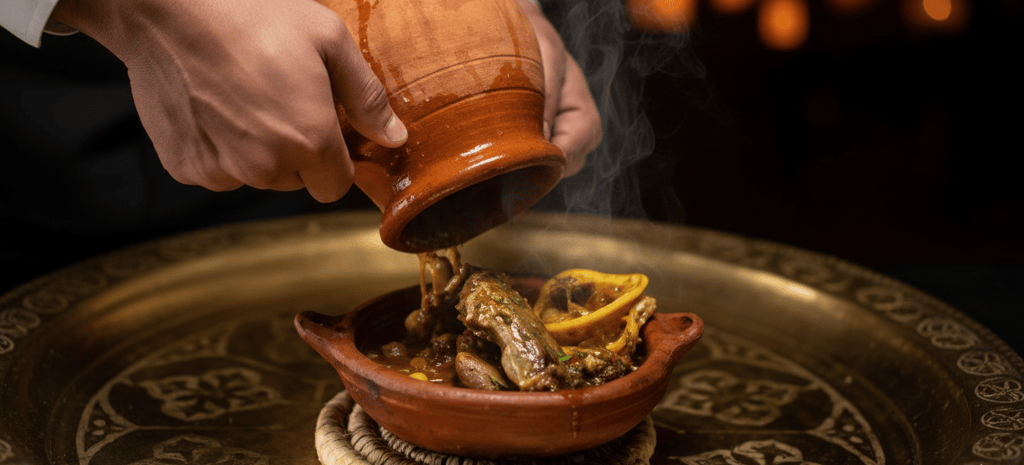
The unique cooking method employed for Tangia is perhaps its most distinctive feature. Traditionally, the dish is prepared in special clay jars, which are then buried in hot ashes and slow-cooked for several hours. This technique ensures a perfectly tender texture, enabling the flavors to meld seamlessly. The prolonged cooking time allows the spices and aromatics to thoroughly penetrate the meat, resulting in a dish that is both succulent and deeply flavored.
Variations of Tangia can be found throughout Morocco, with some incorporating additional ingredients such as chickpeas or dried fruits, enhancing both the nutritional value and taste. To achieve the best results when preparing Tangia at home, sourcing high-quality ingredients is essential. Fresh, locally-sourced meats and spices can elevate the dish significantly, ensuring an authentic experience. Therefore, one should seek out reputable butchers and specialty stores to obtain the finest provisions for this beloved Moroccan culinary delight.
Cultural Significance: Tangia as a Symbol of Marrakchi Heritage
Tangia holds a profound cultural significance within the Marrakech region, serving as a culinary emblem that encapsulates the essence of Marrakchi heritage. This traditional Moroccan dish is not merely a meal; it represents a cherished symbol of community, tradition, and shared values among the people of Marrakech. The preparation of Tangia often requires gathering family members and friends, fostering connections through collaborative cooking efforts. This act of coming together reinforces social bonds and emphasizes the communal spirit inherent in Marrakchi culture.
The role of Tangia in celebrations and social gatherings is paramount. It is commonly served during festive occasions, such as weddings or religious holidays, symbolizing abundance and hospitality, key tenets of Moroccan culture. A typical Tangia meal is characterized by its communal nature, where a single pot holds the culinary delight, inviting diners to share in the experience. This shared approach not only enhances the flavor of the dish but also serves as a metaphor for togetherness and unity within the community.
Through Tangia, the essence of Marrakchi heritage is preserved, illustrating how food can transcend mere consumption to embody deeper cultural meanings and community ties.
Making Tangia at Home: Tips and Serving Suggestions
Preparing Tangia at home is not only a rewarding culinary adventure but also an opportunity to explore the rich heritage of Moroccan cuisine. To begin, gather the essential ingredients: lamb or beef, garlic, spices such as cumin and saffron, preserved lemons, and olive oil. If certain ingredients are not accessible, you can substitute lamb with chicken or beef with pork, while maintaining similar flavor profiles. For the spices, feel free to experiment with local variations that complement the dish's character.
Begin by marinating your chosen meat with crushed garlic, spices, and a drizzle of olive oil. A traditional Tangia is slow-cooked in a clay pot, which you may replicate using a Dutch oven or any heavy pot with a lid. If you prefer quicker methods, a stovetop pressure cooker can significantly reduce cooking time while still delivering tender meat infused with aromatic flavors.
To cook Tangia in the oven, preheat it to around 150°C (300°F) after preparing the meat and placing it in the pot. Cover it well and let it roast for several hours until the meat becomes succulent and falls off the bone. If time is of the essence, you can use a slow cooker, allowing the flavors to develop over a longer period.
When serving Tangia, pair it with fluffy couscous or crusty Moroccan bread, as these complement the rich, savory flavors beautifully. Additionally, an authentic experience can be enhanced with a side of zaalouk, a smoky eggplant salad, or a refreshing Moroccan salad made with fresh tomatoes, cucumber, and herbs. To accompany your Tangia, a traditional mint tea can elevate the dining experience, further connecting you to Moroccan culture. For presentation, serve Tangia in a decorated tagine or a traditional clay dish to celebrate its origins.
YumChefie
Your intelligent kitchen companion. We use advanced AI to help you reduce food waste, discover new flavors, and cook with confidence.
Contact
Subscribe
Copyright © 2026 - YumChefie