Save big on kitchen essentials!

Arabic Shawarma: A Flavor-Filled Journey
Arabic shawarma is a world-famous street food made of spiced, marinated meat wrapped in bread with flavorful sauces, known for its rich taste, quick preparation, and regional variations across different countries.
YumChefie
1/10/20264 min read
The Origins and Preparation of Shawarma
Shawarma, a beloved staple of Middle Eastern cuisine, has its roots tracing back to the Ottoman Empire, where it was known as "doner kebab". This dish evolved as it made its way through the Levant and beyond, adapting to local tastes and cooking methods. Particularly in Lebanon, Syria, and Palestine, shawarma has become a culinary icon, celebrated for its unique flavor and preparation style.
The preparation of shawarma begins with marinating meat, typically lamb, chicken, or beef, in a blend of spices that gives it a distinctive flavor profile. Common ingredients in the marinade include garlic, cumin, coriander, paprika, and cinnamon, each contributing to the depth of flavor. The marination process is crucial, as it not only infuses the meat with these spices but also tenderizes it, allowing for a juicy and flavorful result.
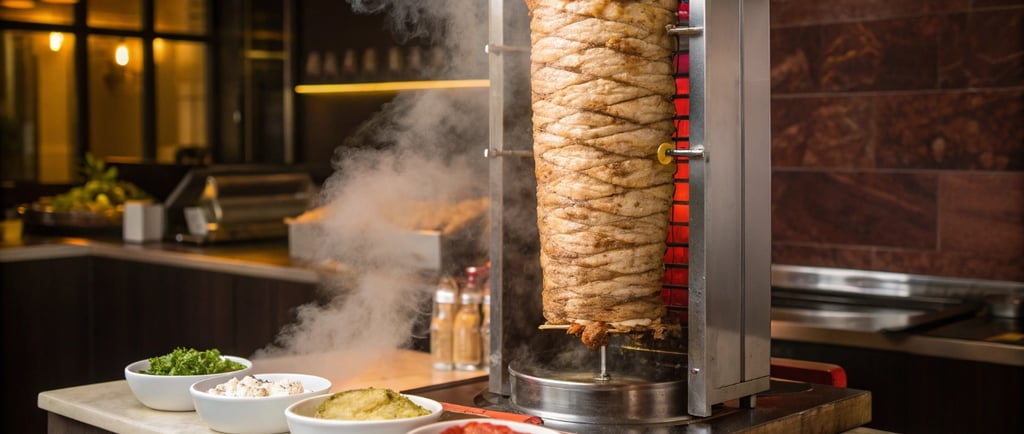
Once marinated, the meat is stacked onto a vertical spit and roasted slowly. This method, known as 'shawarma turning', allows the exterior to cook thoroughly while the inner layers remain succulent. As the meat cooks, the outer layer is shaved off in thin slices, making it perfect for serving in wraps or on plates. The iconic texture achieved through this vertical roasting technique is key to the shawarma's appeal, allowing for a crispy exterior while maintaining a moist center.
Additionally, shawarma is often served with an array of accompaniments, including pickles, fresh vegetables, and sauces such as tahini or garlic sauce. These elements enhance the dish, providing contrasting textures and flavors that complement the seasoned meat, making shawarma not just a meal but an experience.
Variety of Flavors and Condiments: The Shawarma Experience
Shawarma embodies a vibrant array of flavors and ingredients that contribute to its esteemed status among culinary enthusiasts. The choice of meat is paramount, with options such as lamb, beef, chicken, and turkey being the most popular. Each type of meat offers a distinct taste profile that caters to diverse preferences. While lamb is frequently celebrated for its rich and robust flavor, chicken appeals to those seeking a lighter, yet equally satisfying alternative. Turkey, often less common, provides a unique twist for those willing to explore new taste horizons.
Beyond the choice of protein, the true essence of shawarma arises from its toppings and condiments, each playing a vital role in enhancing the overall experience. One of the most cherished accompaniments is garlic sauce, known for its creamy texture and zesty flavor, which complements the savory nature of the meat beautifully. Tahini, a sesame seed paste, contributes a nutty richness that balances the dish's flavors, offering a contrast to the meat's seasoning.
Additionally, the inclusion of pickles introduces a piquant element, cutting through the richness of the shawarma and offering a refreshing crunch. Fresh vegetables like tomatoes, cucumbers, and lettuce are also essential components, contributing not only color but a layer of freshness that elevates the eating experience. These components, when thoughtfully assembled together, create a rich and layered flavor profile that is both satisfying and enjoyable.
Ultimately, the combination of well-seasoned meats and a medley of toppings and sauces transforms shawarma into a truly delightful culinary journey. Each bite reveals the intricate interplay between the various ingredients, showcasing how they harmoniously work together to please the palate.
Shawarma's Popularity and Global Appeal
Shawarma, a traditional Middle Eastern dish, has captivated taste buds worldwide, rapidly establishing itself as one of the most popular street foods across various cultures. Its charm lies chiefly in its quick preparation and portability, making it an ideal option for both hurried lunches and casual dinners. The culinary technique, which involves marinating meat—often lamb, chicken, or beef—on a vertical spit, allows the meat to cook evenly, resulting in a tender and flavorful product that many find irresistible.
The versatility of shawarma also contributes to its global appeal. It can be customized with a variety of toppings, such as fresh vegetables, hummus, and various sauces, catering to different dietary preferences and taste profiles. This adaptability has allowed shawarma to make its way into diverse culinary scenes, from food trucks in New York City to high-end restaurants in Paris. The dish embraces the fusion of flavors, thereby appealing to individuals across age groups and cultural backgrounds.
However, it is crucial to address some potential downsides associated with shawarma. Certain preparations may be greasier than others, depending on the cut of meat used or the quantity of oil applied during cooking. While these factors can enhance flavor, they may not align with the health-conscious choices of some consumers. Additionally, the commercialization of shawarma has led to variations that diverge from traditional recipes, which may affect authenticity and flavor. Nevertheless, its reputation as a beloved fast food option continues to thrive, due to the overall deliciousness and satisfaction that shawarma provides.
Regional Variations of Shawarma Across the Arab World
Shawarma, a beloved street food, has found its way into the hearts and palates of many across the Arab world and beyond. Each region has embraced this dish, adapting it according to local ingredients, spices, and culinary traditions. This remarkable versatility sets shawarma apart, allowing it to maintain its core identity while reflecting the diverse cultures of the Arab world.
In the Levantine countries, such as Lebanon and Syria, shawarma is typically made with marinated beef or chicken and flavored with a blend of spices like cumin, coriander, and allspice. It is often served in thin pita bread accompanied by a variety of garnishes such as pickles, tomatoes, and tahini or garlic sauce. The dish enjoys a particularly loyal following in Beirut, where shawarma vendors can be spotted late into the evening, offering locals their unique takes on this classic.
Moving toward the Arabian Peninsula, particularly in countries like Saudi Arabia and the UAE, shawarma takes on a different personality. Here, it may include marinated lamb infused with aromatic saffron and cardamom, providing an earthy flavor profile. Vendors often showcase shawarma in more elaborate forms, layering it with rice or serving it alongside fries, which reflects local culinary preferences. In these regions, shawarma is not just a quick meal but a social affair, often shared with family and friends.
Egyptian shawarma features its own distinct characteristics, with the use of spices like cinnamon and nutmeg adding a unique twist. It is commonly served as a hearty wrap or on a platter alongside side dishes such as hummus or baba ghanoush, making it a fulfilling option. Though the preparation methods may vary, the essence of shawarma remains – a flavorful, satisfying meal that transcends borders.
Ultimately, shawarma's regional variations not only showcase the adaptability of this dish but also highlight the rich tapestry of culinary traditions across the Arab world. The unique spices, preparation methods, and serving styles contribute to a delightful journey that culinary enthusiasts should explore.
YUmchefie
Your intelligent kitchen companion. We use advanced AI to help you reduce food waste, discover new flavors, and cook with confidence.
Contact
Subscribe
Copyright © 2026 - YumChefie